A decade of promises inches closer to steel and concrete on the Gurugram-Faridabad corridor.
Enquire NowFor anyone who has sat in traffic between Sector 56 and Faridabad's industrial belt, the idea of a direct metro link between these two NCR powerhouses has long felt like a mirage — announced, celebrated, and then quietly shelved. The original vision was straightforward: a corridor that would connect with the Rapid Metro Line at Sector 56 in Gurgaon and, on the other end, connect with the Violet Line at Bata Chowk in Faridabad, stitching together two cities that share a border but never a rail line. The project's history reads like a case study in infrastructure delay. Back in 2016, the Haryana CM first signalled intent; by 2018, officials admitted the government had taken more than 32 months to grant in-principle approval for the proposal first mooted in April 2016. A 2018 announcement promised trains by 2021 at a project cost of Rs 5,900 crore, with the declaration made by Faridabad MP and Central Minister Krishanpal Gujjar. That deadline came and went, and the missing link resurfaced repeatedly as a poll-season talking point, with the connectivity gap widely seen as a drag on Gurugram's growth as a commercial hub for cross-city commuters. The 2026 development that changes the conversation is a shift in approach entirely. Rather than a standalone metro line, the Haryana Mass Rapid Transport Corporation (HMRTC) has proposed folding this connectivity into the Namo Bharat (RRTS) network. The HMRTC has unveiled a comprehensive plan to construct 18 metro stations along the upcoming Namo Bharat corridor, connecting Gurugram, Faridabad, and Greater Noida. Crucially, the HMRTC has earmarked 10 stations for Faridabad and eight for Gurugram, with the Gurugram-Faridabad RRTS line stretching approximately 64 kilometers. The engineering logic behind reusing Namo Bharat infrastructure is about speed and cost. One key feature is that the project will use the Namo Bharat tracks network — instead of building a completely new metro line, trains will run on this existing high-speed regional transit system, which can help save both time and construction costs. Of the total alignment, a large part of the RRTS route, about 52 km, will pass through Gurugram, while the remaining 12 km will be in Uttar Pradesh. Connectivity planners have also worked out how this new line talks to the existing network. One of the key connections will be at the Millennium City Centre Metro station on the Yellow Line, allowing passengers to switch between the two systems conveniently, while another important interchange is planned at Sector 61, where the Namo Bharat station will connect with a proposed metro line linking Sector 56 and Pachgaon. On the approvals front, the project has moved past the pure-announcement stage. As of early 2026, the Detailed Project Report (DPR) has been finalized and is currently awaiting the final nod from the Union Ministry of Housing and Urban Affairs, expected mid-2026. Planners have also fine-tuned the route to serve commercial demand better — in early 2026, GMRL modified the alignment between Sector 22 and Cyber City, shifting three station locations in the Udyog Vihar area to better serve high-density corporate offices and reduce land acquisition hurdles. Ridership projections underline the scale of ambition: by the end of 2026 or early 2027, projected daily ridership is approximately 5.4 lakh passengers, expected to scale up to over 7.26 lakh by 2031. For homebuyers, this is the part that matters most. Corridors like Sohna Road, Southern Peripheral Road, and Dwarka Expressway — where developers including Signature Global have concentrated significant residential launches — sit within commuting distance of the proposed alignment. Historically, metro-adjacent micro-markets in Gurugram have seen faster price appreciation and stronger rental demand once construction visibly begins, and locals have long argued that the connectivity gap has been one of the factors for the slow development of Gurugram city as a commercial hub. A functioning Gurugram-Faridabad link would open both cities' job markets to each other's residential catchments, a shift that tends to show up in property searches long before the first train runs. The cautionary note, given the project's history, is patience. Ministry approval, tendering, land acquisition, and construction typically add years even after a DPR is cleared — as Faridabad residents who were promised trains by 2021 can attest. Homebuyers evaluating projects along this corridor should treat the metro as a medium-to-long-term tailwind, not an immediate trigger, while continuing to weigh existing road connectivity, social infrastructure, and builder track record as the primary decision factors today.
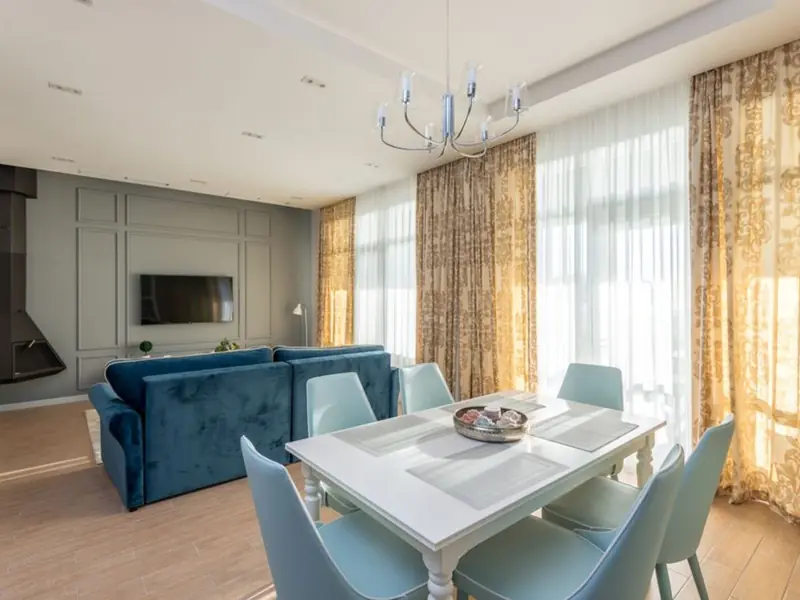
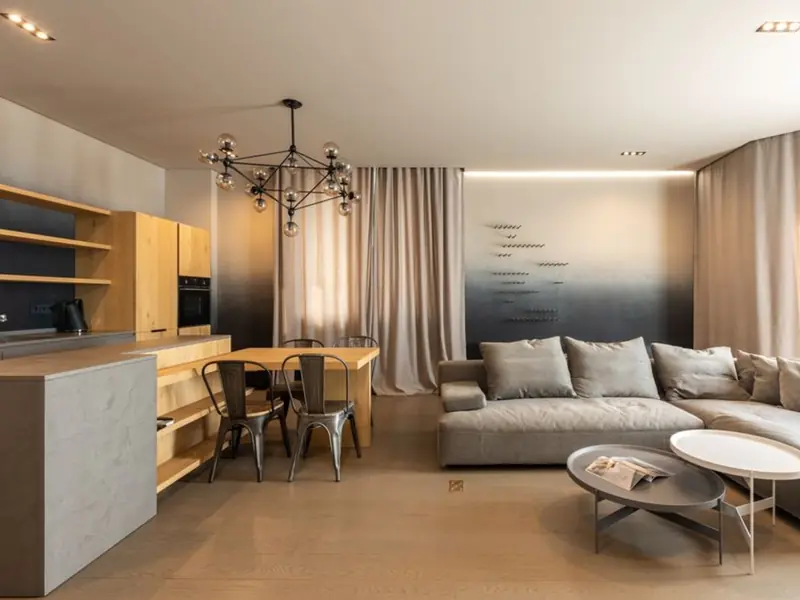
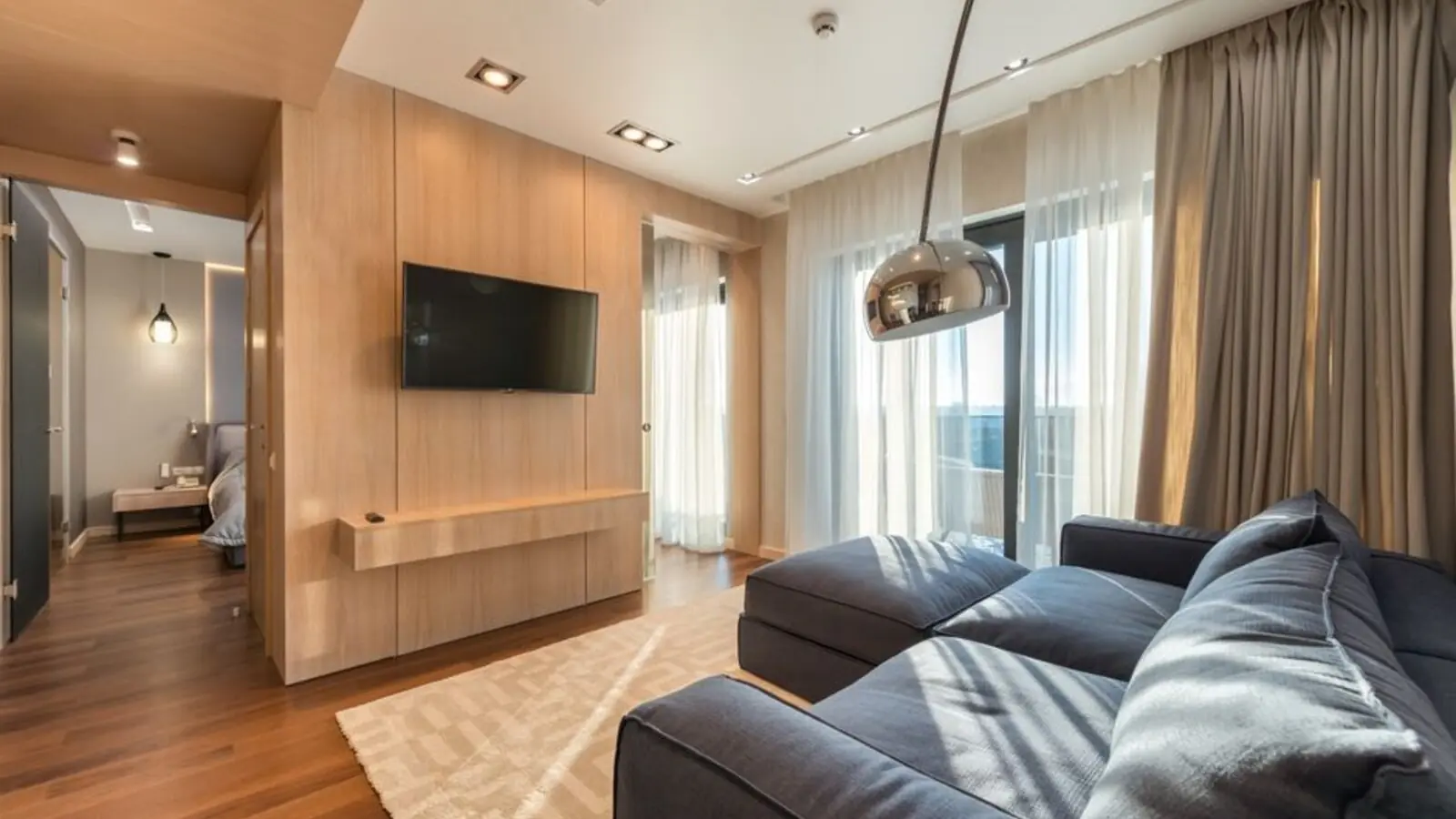
Alipur, Sohna, Gurugram
TBA • Price on Request
6.14-acre land parcel in Sohna's growth corridor
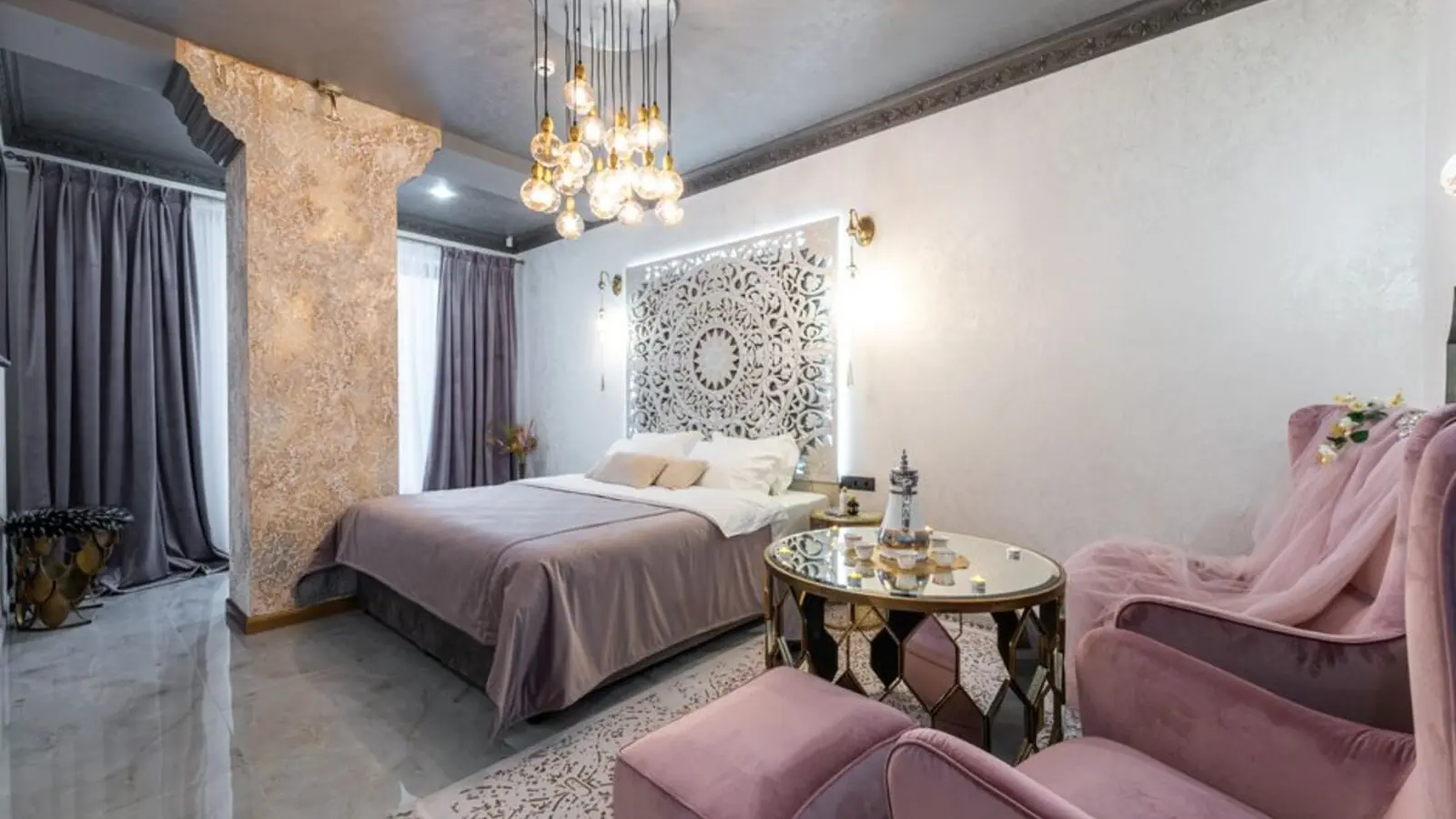
Sector 71, Gurugram
Office, Retail, Hotel • Price on Request
18-acre RMZ-Signature Global commercial landmark on SPR
Khuskhera, Bhiwadi
1, 2, 3 BHK • Price on request
Affordable homes in RIICO industrial belt
Southern Peripheral Road, Gurugram
3, 4 BHK (proposed) • On Request
Rs 5,000 Cr branded luxury project
Dharuhera, Rewari
Residential Plots • Price on Request
DDJAY plots on NH-48
Greater Noida
2, 3, 4 BHK • Price on Request
Near Jewar Airport corridor

Noida Expressway, Noida
2, 3, 4 BHK • Price on Request
IGBC Gold, three-side-open homes inside a mega sports city
Noida Expressway, Noida
2, 3, 4 BHK • Price on Request
New-launch homes on Noida-Greater Noida Expressway
This publication is editorial and informational in nature and does not form an offer or agreement. All specifications, prices, and photographs are subject to change. Readers are encouraged to verify particulars independently. About · Projects
Share your details and our expert will call you back.