Gurugram to Noida in under an hour, without touching Delhi.
Enquire NowThe National Capital Region Transport Corporation has completed the detailed project report for a rapid rail line that has been on the drawing board for years: a direct, high-speed link between Gurugram, Faridabad, Noida and Greater Noida that skips Delhi's congested roads entirely. According to a Hindustan Times report cited by Business Standard, the National Capital Region Transport Corporation (NCRTC) has completed the detailed project report (DPR) for the proposed Namo Bharat Regional Rapid Transit System (RRTS) corridor that will connect Gurugram, Faridabad and Noida. The estimated cost of the project is around Rs 15,000 crore, and work on the corridor is expected to begin in December 2026, with officials estimating the project may take around 4.5 years to finish. The alignment itself has evolved through several rounds of state-level review. Haryana Chief Minister Nayab Singh Saini approved the final alignment for the corridor, with the 64-km corridor (with 52 km in Haryana) planned to feature 18 stations and operate as a hybrid 'RRTS-cum-Metro' system, running both high-speed Namo Bharat trains and local metro services on the same tracks to optimise costs and land use. Under this plan, the Gurugram segment of 14.5 kilometres starts from IFFCO Chowk, connecting Millennium City Centre, Sector 52 and Gwal Pahari, while the Faridabad segment of 16 kilometres passes through Sainik Colony, NIT and Bata Chowk before ending near Badshahpur, with the Noida and Greater Noida link entering via the Sector 142/168 belt and terminating at Surajpur Junction. For daily commuters, the numbers are the real story. Trains capable of speeds up to 180 kilometres per hour are planned to operate every five to seven minutes, providing a direct, high-speed artery for lakhs of daily commuters whilst bypassing the congested roads of Delhi. That is a dramatic shift from current reality, where travelling between these cities can easily take 2 to 3 hours during peak traffic; with the corridor operational, the same journey is expected to be completed in about one hour. Funding for the project is being structured as a multi-party arrangement. As per the submitted DPR, NCRTC will secure a soft loan of Rs 10,102 crore to finance the project, while the Haryana government (Rs 4,555 crore), the Uttar Pradesh government (Rs 1,364 crore), and the Centre (Rs 3,367 crore) will fund the remaining amount to construct this corridor, taking the total estimated cost to roughly Rs 19,390 crore in the latest submission reviewed by the Haryana government. The corridor's total length is now pegged at 63 km, with 50 km falling in Haryana and 13 km in Uttar Pradesh, running across seven core Namo Bharat stations, including IFFCO Chowk as the starting interchange, Sector-61 and Gwal Pahari in Gurugram, Sainik Colony, Bata Chowk and the Sector-87-88 intersection in Faridabad, and stops in Noida Sector 142 and Surajpur. Beyond the headline stations, the DPR also proposes an extensive network of local metro stops to feed into the rapid rail spine. The submitted DPR proposes the construction of 15 new metro stations, with five in Gurugram at Sector 29, Millennium City Centre, Sector 52/52A, Wazirabad and Sector 57, seven in Faridabad including NIT-3, NIT-1, and the Sector 12/13/14/15 intersection, and three more in Noida and Greater Noida. The corridor is also designed to interchange with other regional systems: it will connect with the ongoing Ghaziabad–Jewar Airport Namo Bharat corridor, and Surajpur Junction is planned to act as a major interchange point for future RRTS lines feeding towards the airport. What does this mean for homebuyers along the route? Real estate experts predict a surge in property values along the Faridabad-Noida-Ghaziabad Expressway and the RRTS alignment, a pattern that has already played out along Delhi-Meerut Namo Bharat stretch, where land and apartment prices near operational stations have appreciated meaningfully since trains began running in 2024. For Gurugram specifically, the corridor's IFFCO Chowk starting point and stations near Sector 52, Sector 61 and Gwal Pahari place established and upcoming residential belts, including Sohna Road, Golf Course Extension and the Southern Peripheral Road micro-markets, within a shorter commute window to Faridabad, Noida and Greater Noida job hubs than has ever been possible without crossing Delhi. For buyers evaluating homes in Gurugram's growth corridors today, the practical takeaway is timing. Construction is targeted to begin around December 2026 and the corridor is expected to take about four-and-a-half years to complete, meaning the connectivity dividend will materialise gradually rather than overnight. That said, infrastructure announcements of this scale typically move end-user and investor sentiment well before the first train runs, and buyers who lock in homes near the proposed alignment now are positioning themselves ahead of the price appreciation curve that has followed similar RRTS corridors elsewhere in the NCR.
Project page: Signature Global Tonino Lamborghini Residences
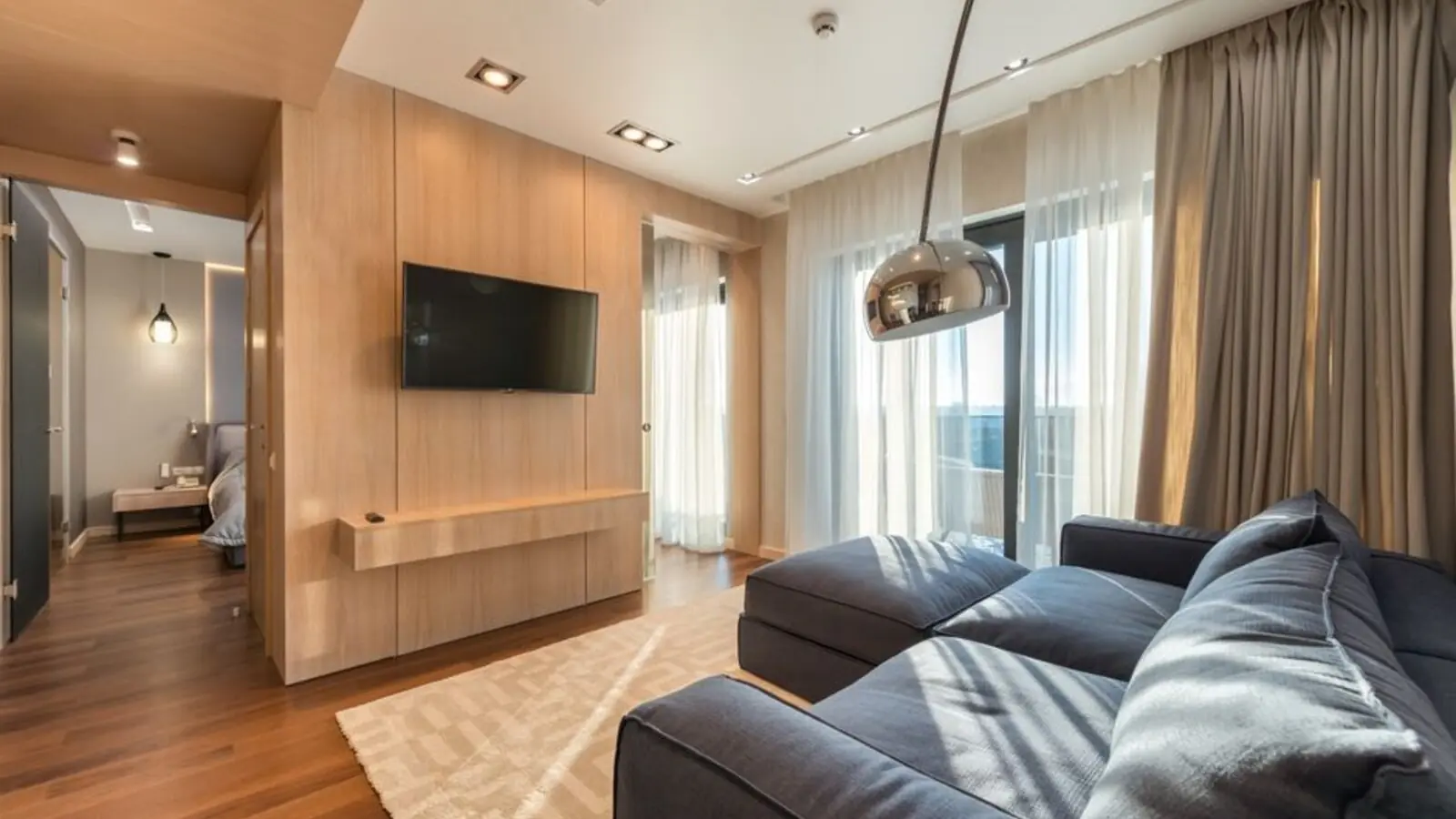
Alipur, Sohna, Gurugram
TBA • Price on Request
6.14-acre land parcel in Sohna's growth corridor
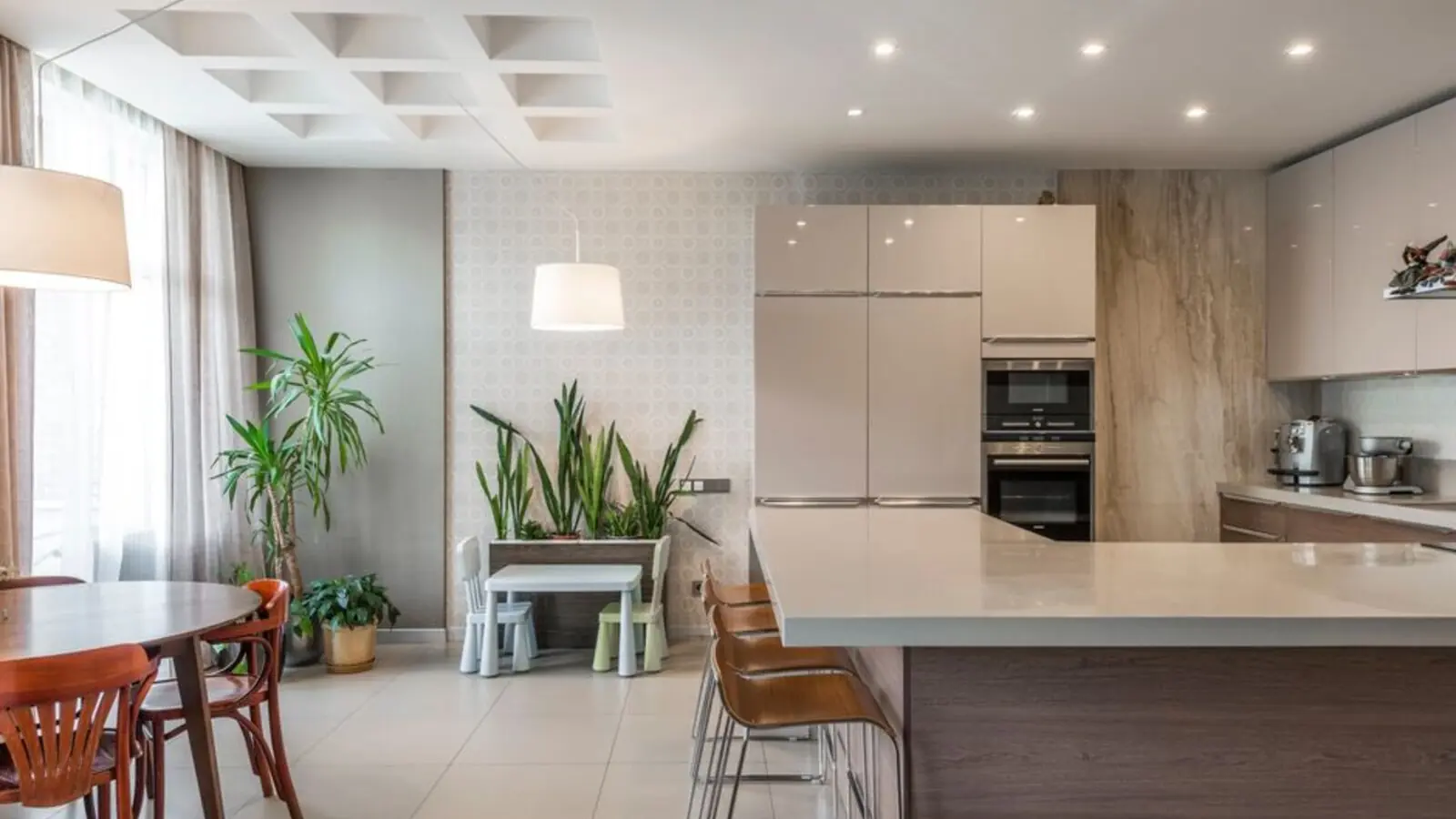
Sector 37D, Gurugram
3 BHK • Approx. Rs 3.7 Cr
164 senior-living apartments
Farukhnagar, Gurugram
Farmhouse villas • Price on request
194.22-acre farmhouse-villa destination
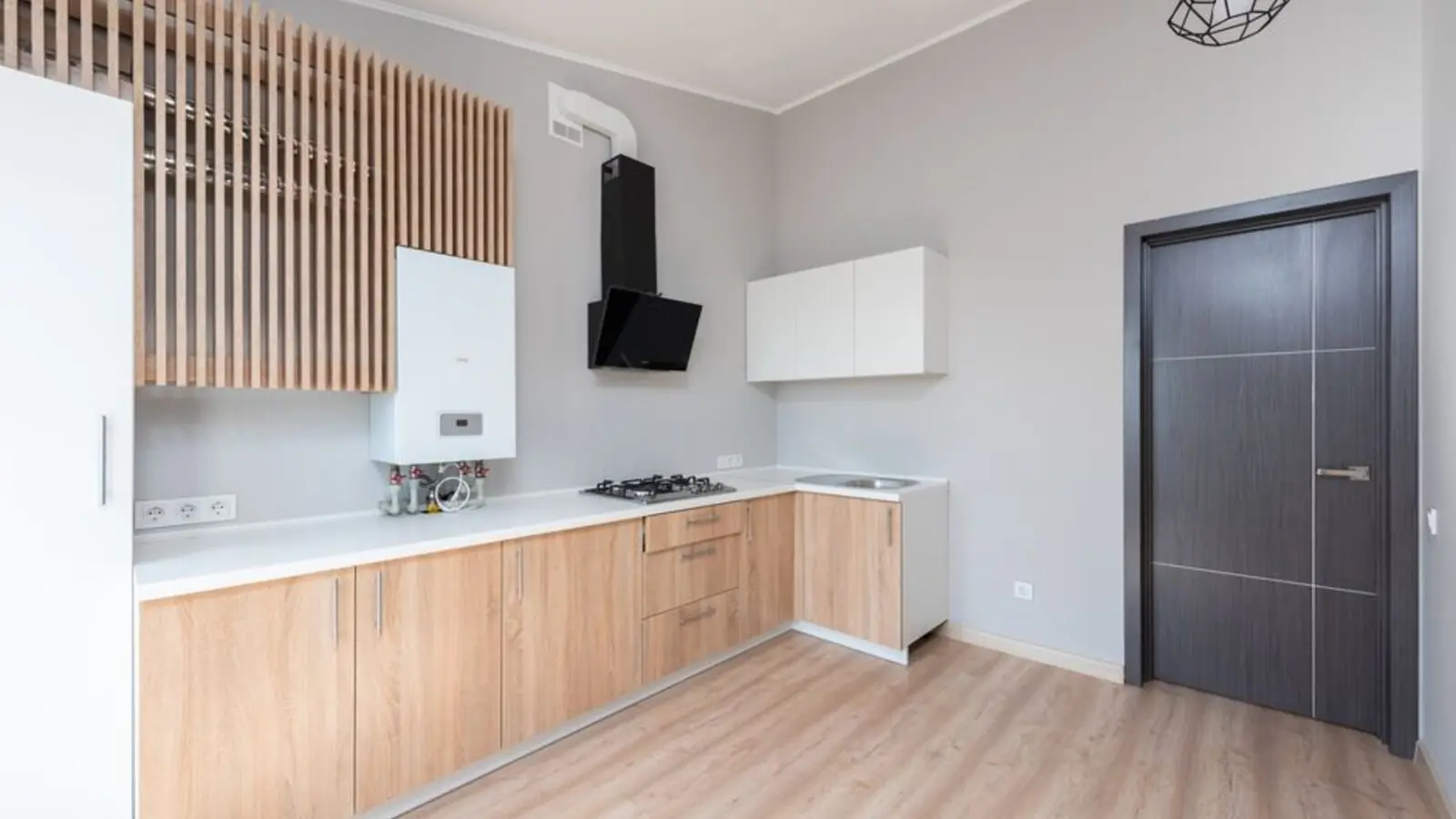
Farrukhnagar, Gurgaon
Farmhouse villas • Price on request
194.22-acre low-density destination
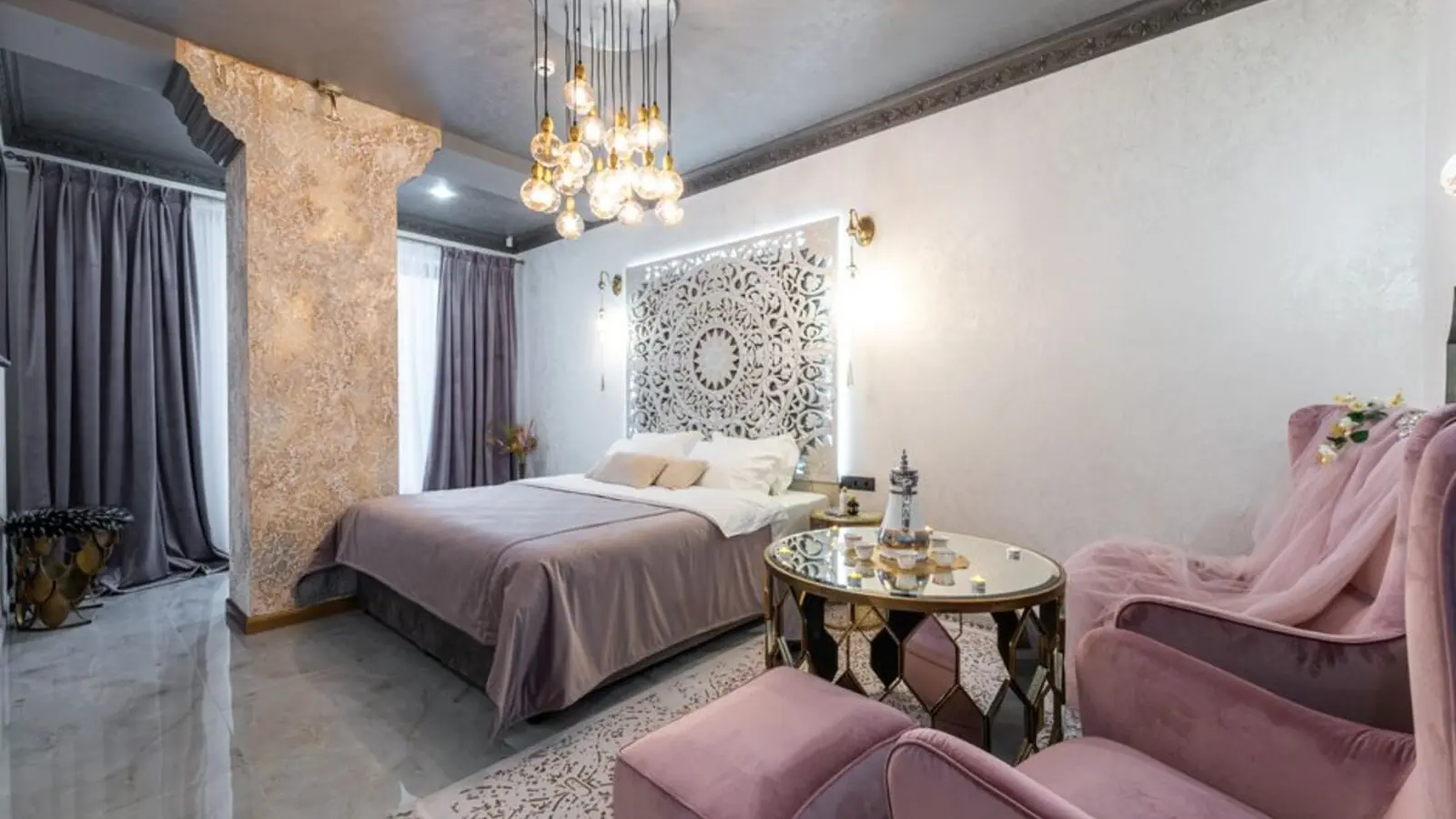
Sector 71, Gurugram
Office, Retail, Hotel • Price on Request
18-acre RMZ-Signature Global commercial landmark on SPR
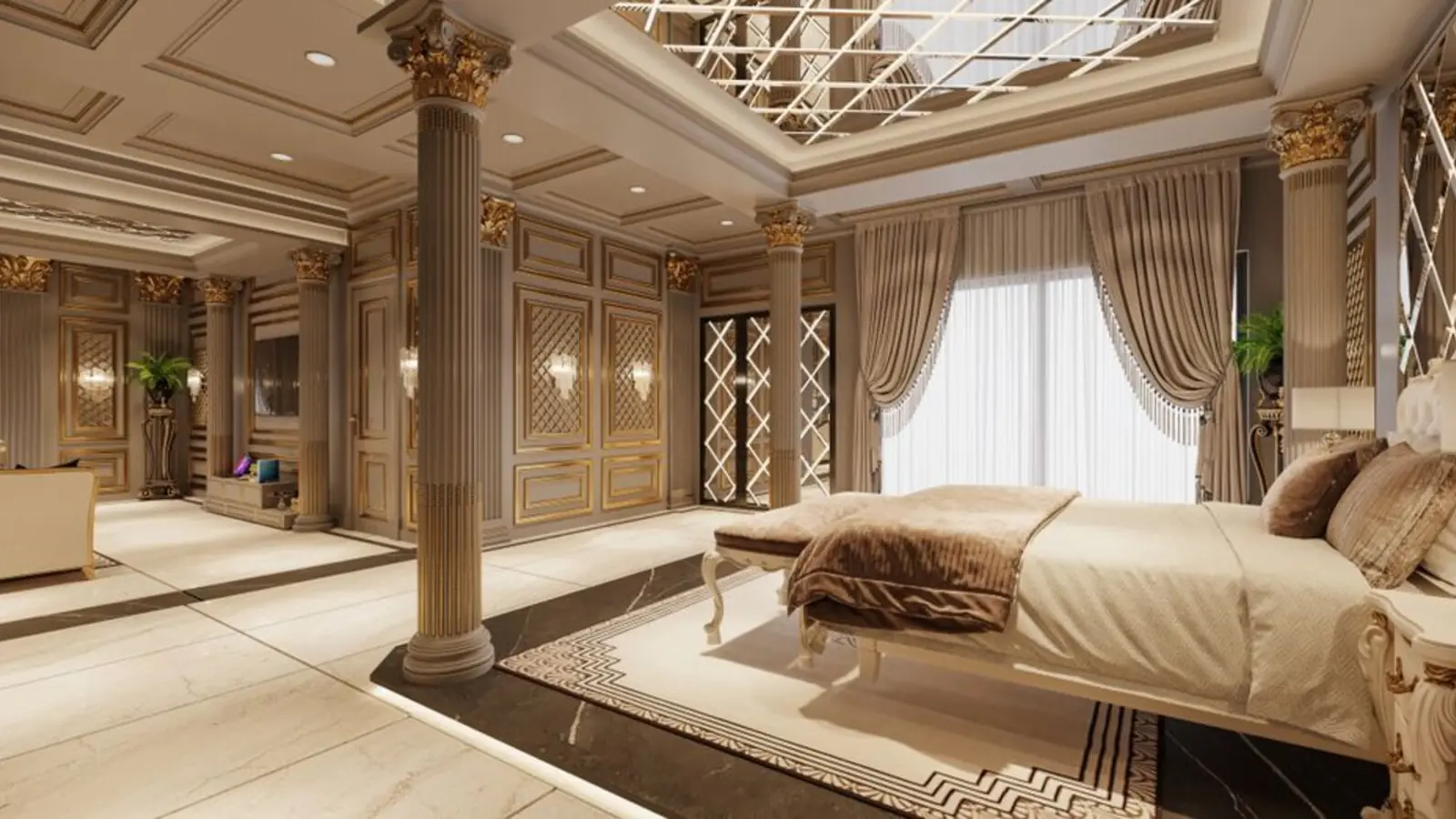
Sohna Road, Gurugram
A forthcoming address in Sohna
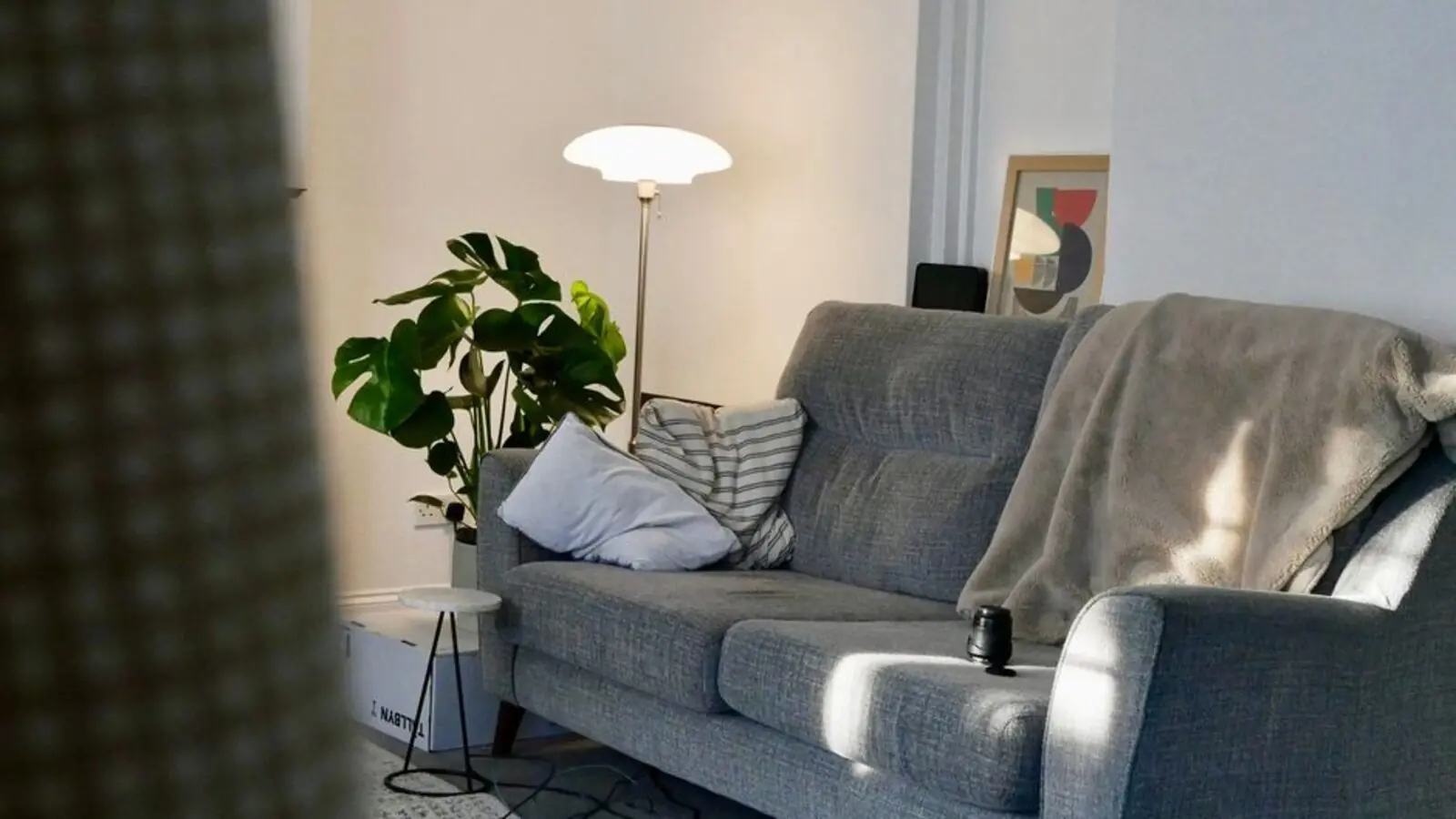
Sohna Road, Gurugram
Residential development • Price on request
25.617-acre land parcels
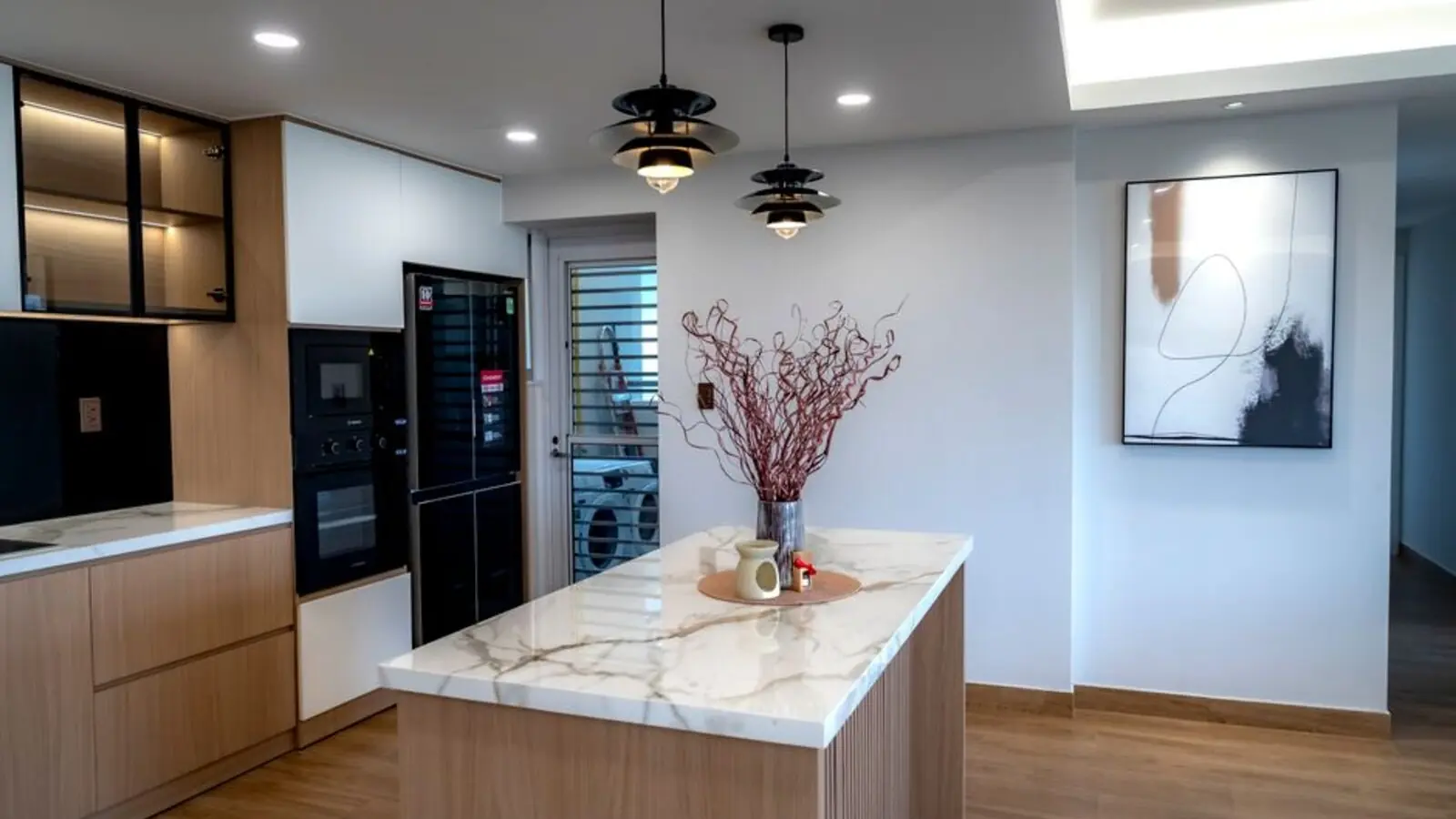
Khuskhera, Bhiwadi
1, 2, 3 BHK • Price on request
Affordable homes in RIICO industrial belt
This publication is editorial and informational in nature and does not form an offer or agreement. All specifications, prices, and photographs are subject to change. Readers are encouraged to verify particulars independently. About · Projects
Share your details and our expert will call you back.