136 km of rapid rail approved, bringing Karnal within 90 minutes of Delhi.
Enquire NowA decade of planning has finally converted into concrete progress for one of North India's most anticipated infrastructure projects. The Haryana Cabinet has cleared the Delhi–Panipat–Karnal Namo Bharat corridor, a move that officials describe as a defining moment for the region's connectivity map. As per the approved proposal, the Delhi–Panipat–Karnal Namo Bharat (RRTS) corridor will extend from Delhi to Panipat and up to Karnal, covering 136.30 km. The approval follows clearance from the Public Investment Board, an inter-ministerial panel of the central government, which had earlier cleared the 136 km Delhi-Panipat-Karnal RRTS corridor at an estimated cost of ₹33,000 crore. For daily commuters and long-time residents of Karnal, Panipat and Sonipat, the headline number is travel time. Once operational, the corridor will significantly cut travel time, enabling commuters to cover the distance in just about 90 minutes. That is a dramatic shift for a stretch that currently takes over three hours by road during peak traffic on NH-44. The project's financial structure has also been laid out clearly: the estimated total project cost is about ₹33,051 crore, out of which, the share of the Haryana government will be about ₹7,472 crore. The corridor will be implemented under the same institutional framework that built the country's first Namo Bharat line, with the project probably taking place under the National Capital Region Transport Corporation (NCRTC) operational framework. Interestingly, Karnal was not part of the original plan. Initially planned up to Panipat, the corridor was later extended to Karnal in response to public demand, expanding the total length from around 103 km to 136 km. The push for this extension has a longer history too — the proposal to extend the line to Karnal was first announced in 2020 by former Haryana Chief Minister Manohar Lal Khattar. Locally, the district administration has already begun preparatory work. Karnal's Deputy Commissioner reviewed the project and called it an ambitious project aimed at transforming the overall landscape of Karnal district, adding it would pave the way for significant economic growth in the coming years. On the ground, under the 136-km-long corridor, five metro stations will be established in Karnal, with infrastructure for parking and other essential facilities also being planned at each station. The corridor's design is meant to do more than just move people fast — it is meant to reshape land use around stations. Officials confirm the project will use Transit-Oriented Development (TOD) policies for financial sustainability, permitting higher-density commercial growth in areas surrounding stations and depots. This is significant for homebuyers because TOD zones typically see accelerated commercial activity, better civic infrastructure, and a corresponding uptick in residential demand within a 1-2 km radius of stations. Across Haryana, the corridor will span 11 stations, serving both urban areas and developing semi-urban territories. Work has already moved past the announcement stage. In October 2025, the NCRTC issued tenders to shift overhead lines and cables along the 22-km-long Narela-Murthal section, work that must be completed before construction of the viaduct and stations can begin, involving relocation of overhead power lines, low-tension cables, and transformers within the alignment. This is standard pre-construction protocol, and its early start signals that the timeline is being taken seriously rather than left on paper. Once fully built, the line will not operate in isolation. It is designed as part of a larger network — the corridor will be developed as part of Phase 1 of the Namo Bharat network, integrating with the Delhi–Ghaziabad–Meerut corridor (already operational) and the Delhi–Gurugram–SNB–Alwar corridor (under construction), with all three converging at the Sarai Kale Khan station for interchange-free travel. For a developer with deep roots in Karnal, this news carries direct relevance. Signature Global has been present in the district for years through its affordable and mid-segment housing formats, including Signature Global City in Sector 28A/29 and Sunrise The Premium Floors in Sector 35 — both delivered under Haryana's affordable housing framework. As the RRTS corridor moves from approval to construction, the fundamentals that make Karnal attractive — its location between Delhi and Chandigarh, offering easy access to highways, schools, hospitals, and upcoming infrastructure like a domestic airport and ISBT — are only getting stronger. A rapid rail link to Delhi adds a layer of connectivity that Karnal has never had before, and it arrives at a time when the broader Sonipat-Panipat-Karnal belt is already being flagged by planners as a priority link under the NCR Regional Plan to address rising travel demand. Buyers evaluating homes along this corridor should treat the RRTS approval as a long-horizon signal rather than an overnight trigger. Large transit projects of this scale typically take 6-8 years from utility shifting to commissioning, and price appreciation tends to build in phases — first around policy announcements, then again as physical construction becomes visible, and finally closer to operational readiness. What is clear today is that the corridor has moved from proposal to funded, approved infrastructure, with land acquisition discussions already underway in Karnal. That combination of political commitment, budget allocation, and on-ground activity is exactly the kind of signal that has historically preceded sustained real estate interest in NCR's satellite towns.

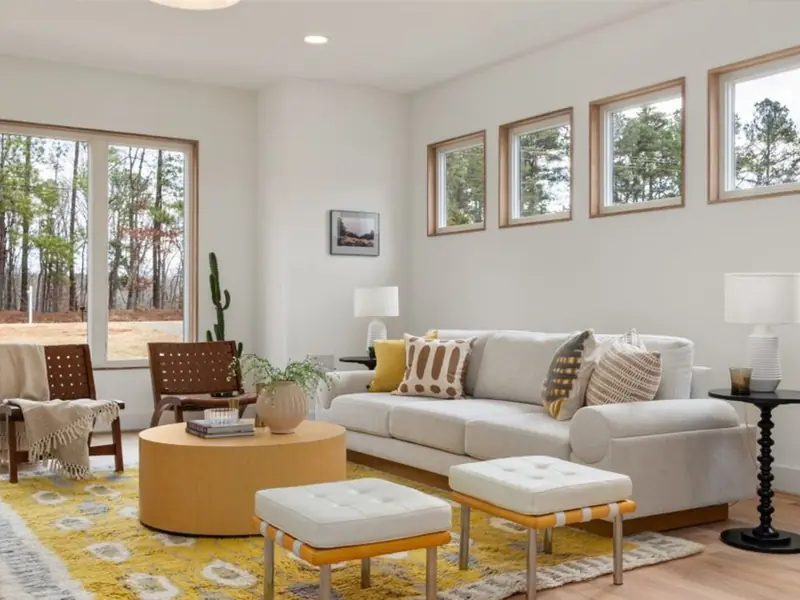
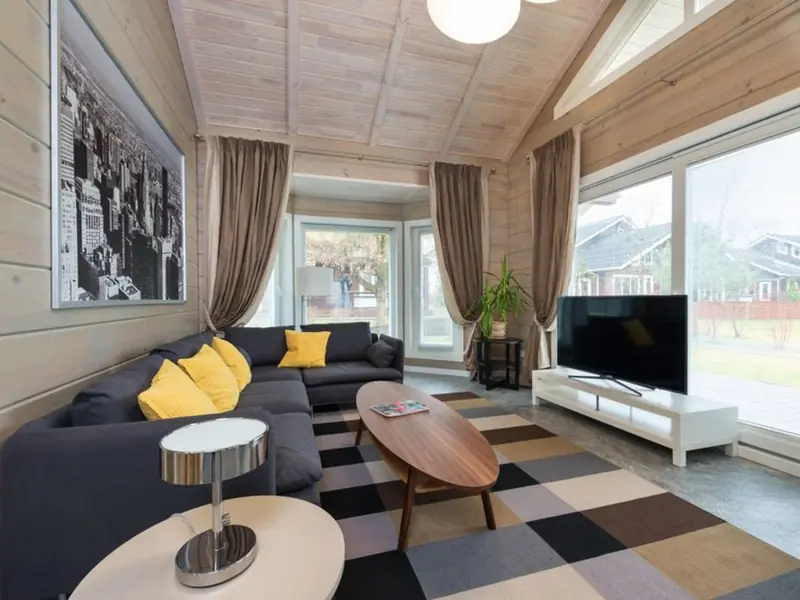

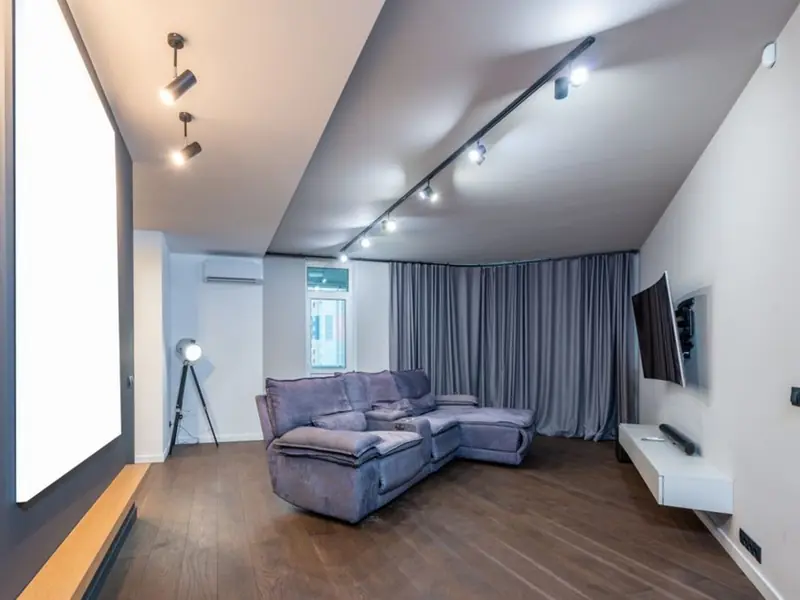
Project page: SIGNATURE GLOBAL LOW RISE FLOORS SECTOR 35 SOHNA
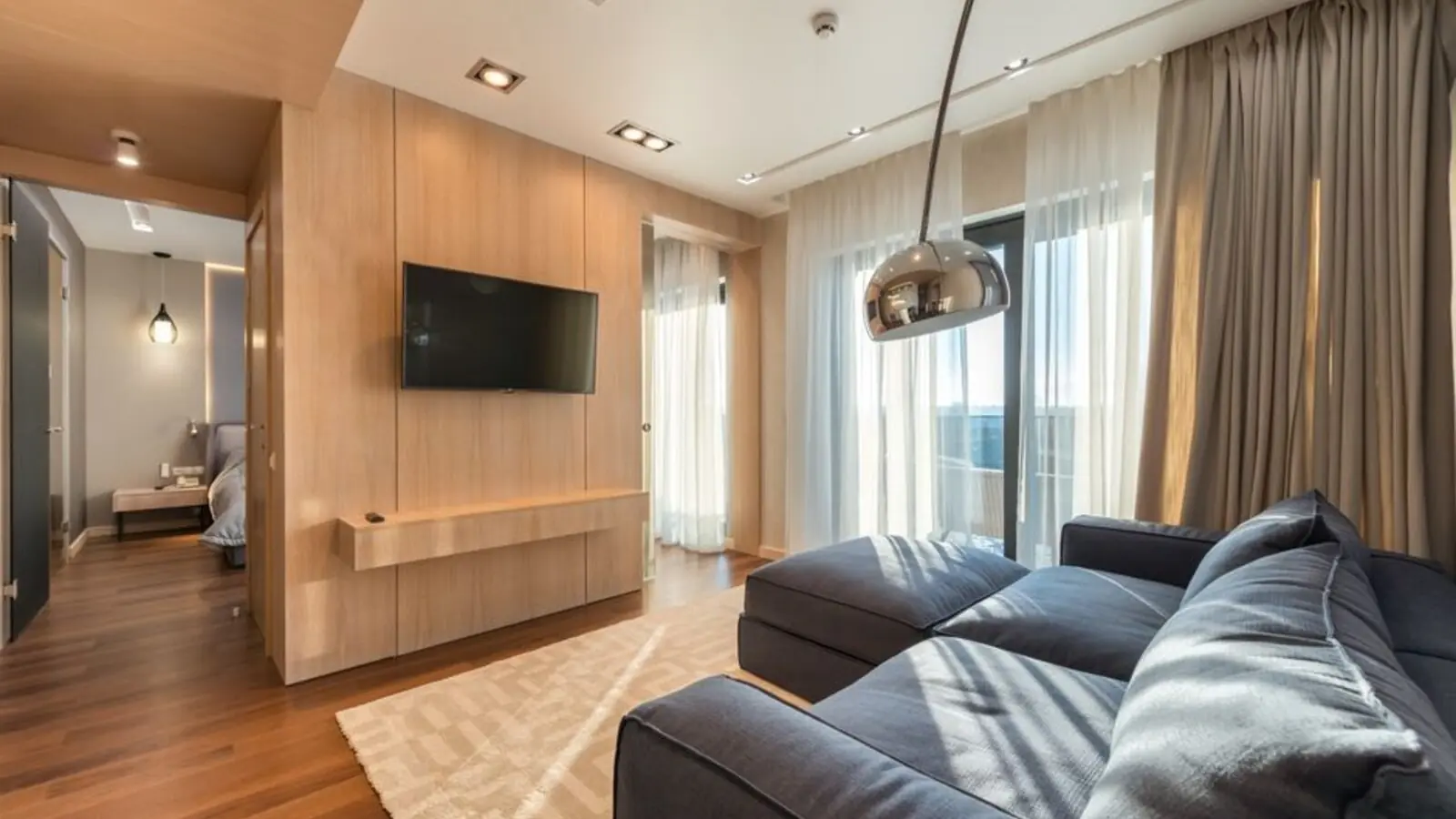
Alipur, Sohna, Gurugram
TBA • Price on Request
6.14-acre land parcel in Sohna's growth corridor
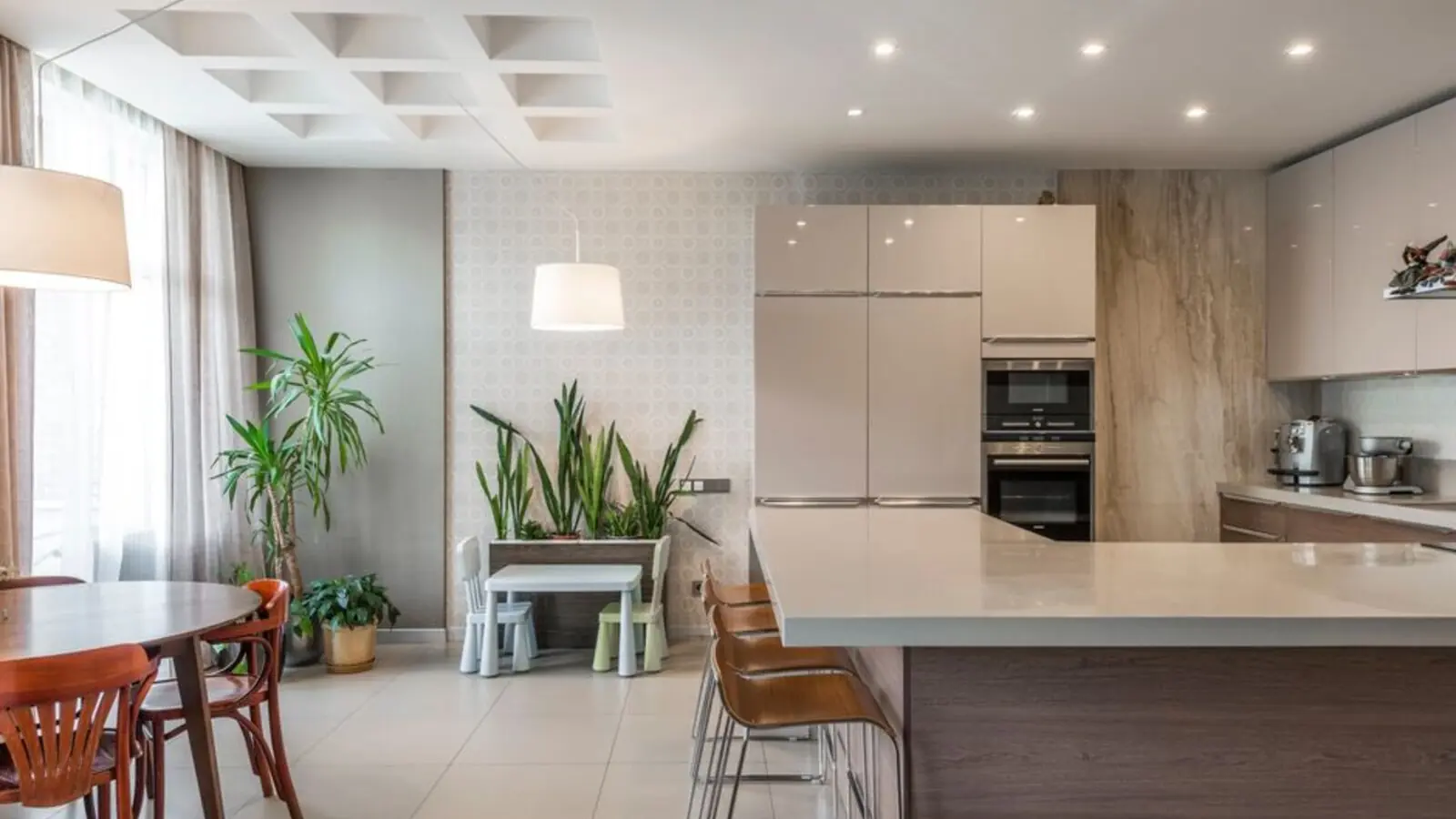
Sector 37D, Gurugram
3 BHK • Approx. Rs 3.7 Cr
164 senior-living apartments
Farukhnagar, Gurugram
Farmhouse villas • Price on request
194.22-acre farmhouse-villa destination
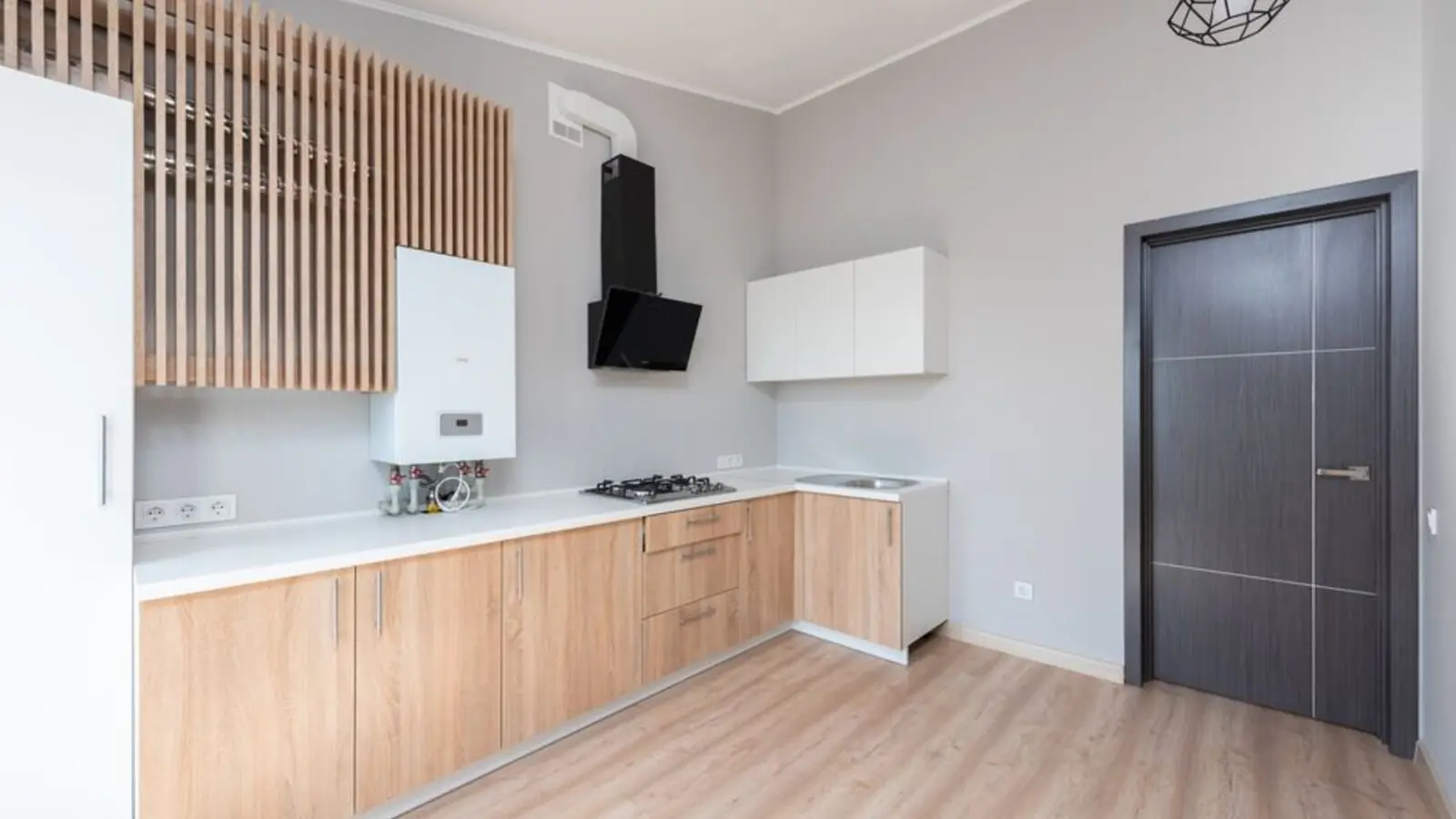
Farrukhnagar, Gurgaon
Farmhouse villas • Price on request
194.22-acre low-density destination
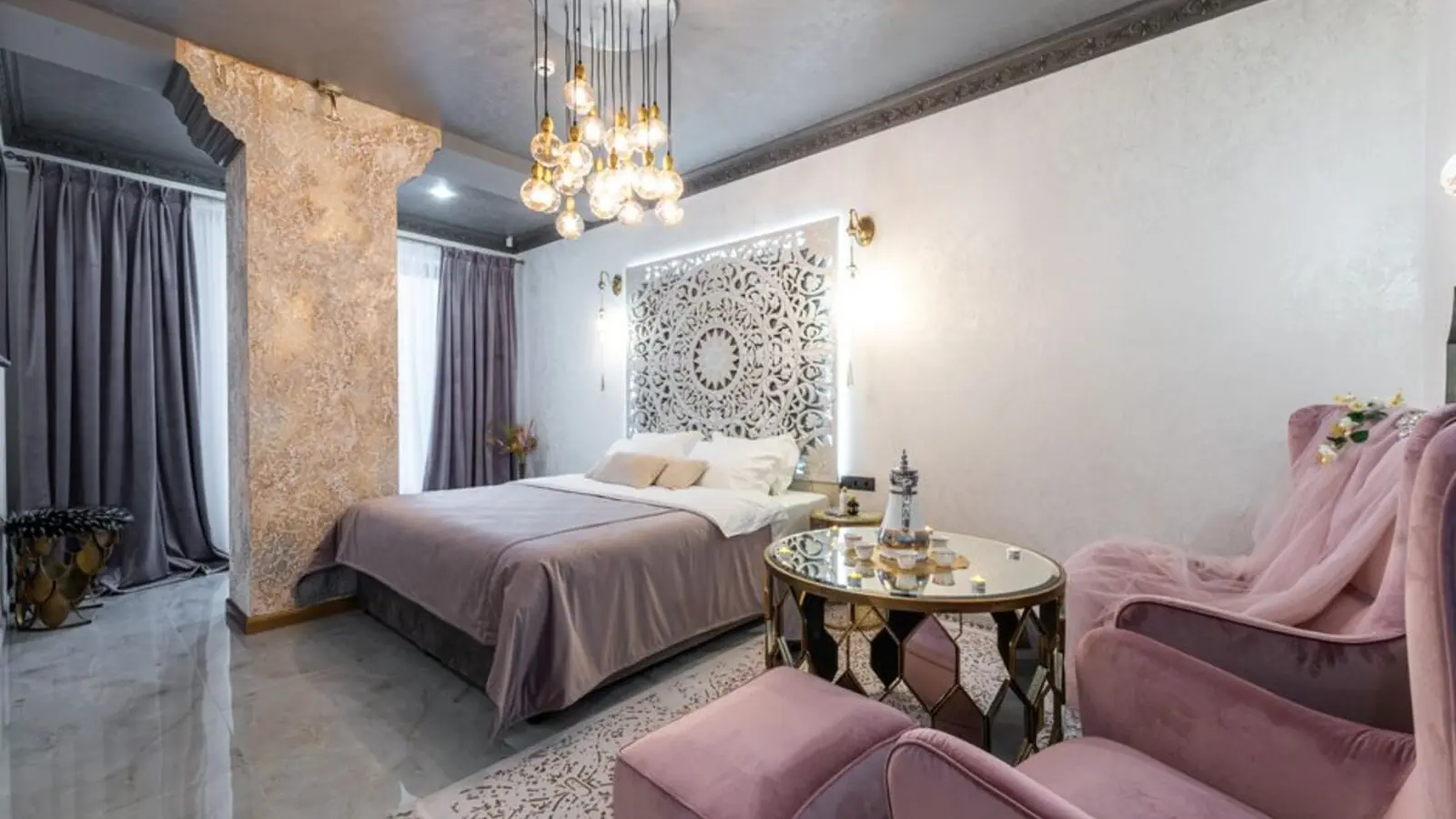
Sector 71, Gurugram
Office, Retail, Hotel • Price on Request
18-acre RMZ-Signature Global commercial landmark on SPR
Sohna Road, Gurugram
A forthcoming address in Sohna
Sohna Road, Gurugram
Residential development • Price on request
25.617-acre land parcels
Khuskhera, Bhiwadi
1, 2, 3 BHK • Price on request
Affordable homes in RIICO industrial belt
This publication is editorial and informational in nature and does not form an offer or agreement. All specifications, prices, and photographs are subject to change. Readers are encouraged to verify particulars independently. About · Projects
Share your details and our expert will call you back.