Gurugram's 28.5-km Metro Loop is rewriting property values from Old Gurgaon to Cyber City.
Enquire NowFor a city that built its fortune on glass towers and gridlocked highways, Gurugram is finally getting the transit spine it has long lacked. The Gurugram Metro Rail Limited (GMRL) is building a 28.5-km elevated loop that will, for the first time, physically stitch together Old Gurgaon and the glittering business districts of New Gurugram. The line forms a giant semicircle that starts at the existing Millennium City Centre (formerly HUDA City Centre) and terminates at Cyber City, with the main line spanning 26.65 km with a 1.85 km spur to the Dwarka Expressway, and all 27 stations elevated. It is, in scale and ambition, the biggest transit intervention the city has seen since the Rapid Metro opened over a decade ago. The project moved from paper to pavement on 5 September 2025, when the Bhoomi Pujan ceremony, led by CM Nayab Singh Saini and Union Minister Manohar Lal Khattar, marked the foundation stone laying for the 28.5 km line with 27 stations. Civil work on Phase 1, the 15.2 km stretch from Millennium City Centre to Sector 101, is now actively underway, with the contract awarded to the joint venture of Dilip Buildcon and RBL, a deal worth roughly ₹1,503 crore and slated for completion within 30 months. Tenders for Phase 2, covering the Sector 9 to Cyber City stretch, are expected to open in March 2026, keeping the project's overall 2027 completion target intact even as costs have been revised upward, with the Haryana Cabinet approving a revised outlay of ₹10,266 crore for the corridor. Connectivity is the whole point. The Millennium City Centre station will serve as the primary interchange with the Delhi Metro Yellow Line, while the loop's other end at Cyber City allows for a seamless interchange with the Rapid Metro. Further down the network, Sector 56 is being reimagined as a multi-modal transit hub where the Rapid Metro, the new Manesar line, and the RRTS will converge. Trains on the loop are designed for a top speed of 80 km/h, with an expected average operating speed of 34 km/h including stops, and once the full network is live, a resident of Palam Vihar could reach Cyber City in roughly 18 minutes, down from the current 50-plus minutes by road. Ridership projections back the ambition: daily ridership is estimated at 5.4 lakh by 2026, growing to over 7.2 lakh by 2031. The real estate market has already started pricing in this future. Real estate experts report that property values in Old Gurgaon, particularly Sectors 4, 7, and 9, and areas near the Dwarka Expressway, have already appreciated by 15-20% on the back of the loop announcement alone. That momentum has been reinforced by policy: the Haryana government's revised collector rates for FY 2026-27 show some sectors seeing rates jump by as much as 75 per cent, with DLF Phases 1 through 5 recording increases ranging from 45 per cent to 75 per cent, with DLF Phase 2 and Phase 3 hitting the upper limit of that bracket. Local brokers describe the shift as a structural one rather than a speculative blip. As one realty expert put it, "the metro expansion has helped break the realty plateau in old Gurugram," adding that a market long seen as saturated is now emerging as a fresh investment hotspot. Market analysts tracking comparable transit corridors elsewhere note that infrastructure developments of this scale typically lead to a 20-30% appreciation in property prices even before the first train runs, a pattern that appears to be repeating itself along this loop. For homebuyers, the practical takeaway is about geography as much as timing. Sectors along the Dwarka Expressway spur, once considered peripheral, are being reclassified: sectors 102 through 113 are now effectively "prime" rather than "peripheral" in broker assessments, thanks to the metro connection layered on top of existing expressway access. Rental demand is expected to rise by another 10% once trial runs begin, giving both end-users and investors a reason to lock in positions before the corridor is fully operational. Signature Global's own portfolio sits squarely inside this transformation zone. Projects along Sector 37D and the Dwarka Expressway, and newer launches in Sector 71 and Sector 84, all fall within commuting distance of the loop's planned stations and the Sector 56 multi-modal hub. As the developer expands from its affordable-housing roots into premium and now branded residences in this same belt, the metro's arrival adds a tangible connectivity premium to that positioning. The loop is not without execution risk, tender delays, land acquisition friction, and cost escalations remain real possibilities on a project of this size. But with foundation stones laid, contracts awarded, and collector rates already adjusting, the market signal is clear: 2027 is the year Gurugram's two halves finally connect, and property along the route is being valued for that future today, not tomorrow.
Alipur, Sohna, Gurugram
TBA • Price on Request
6.14-acre land parcel in Sohna's growth corridor
Sector 71, Gurugram
Office, Retail, Hotel • Price on Request
18-acre RMZ-Signature Global commercial landmark on SPR
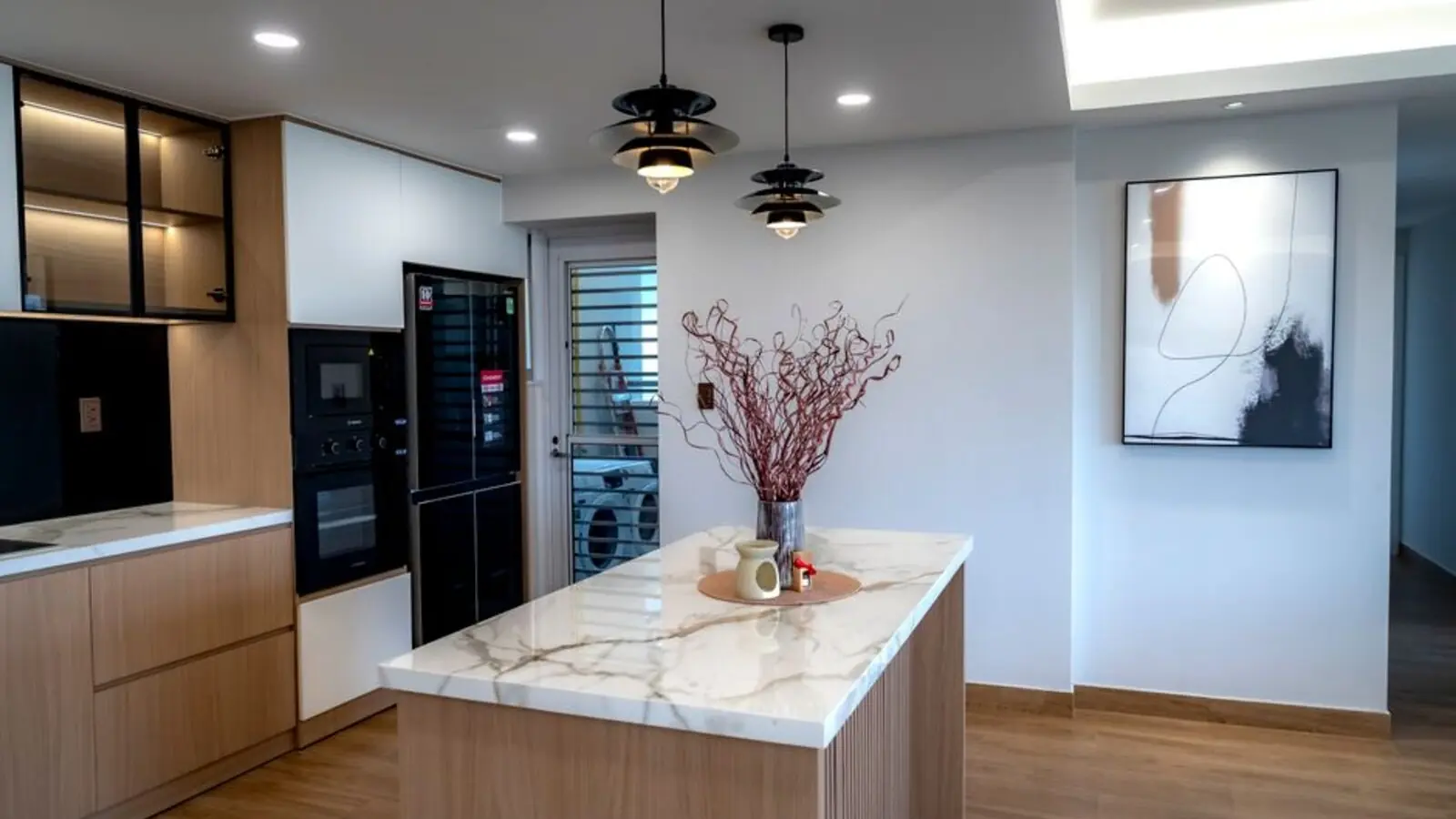
Khuskhera, Bhiwadi
1, 2, 3 BHK • Price on request
Affordable homes in RIICO industrial belt
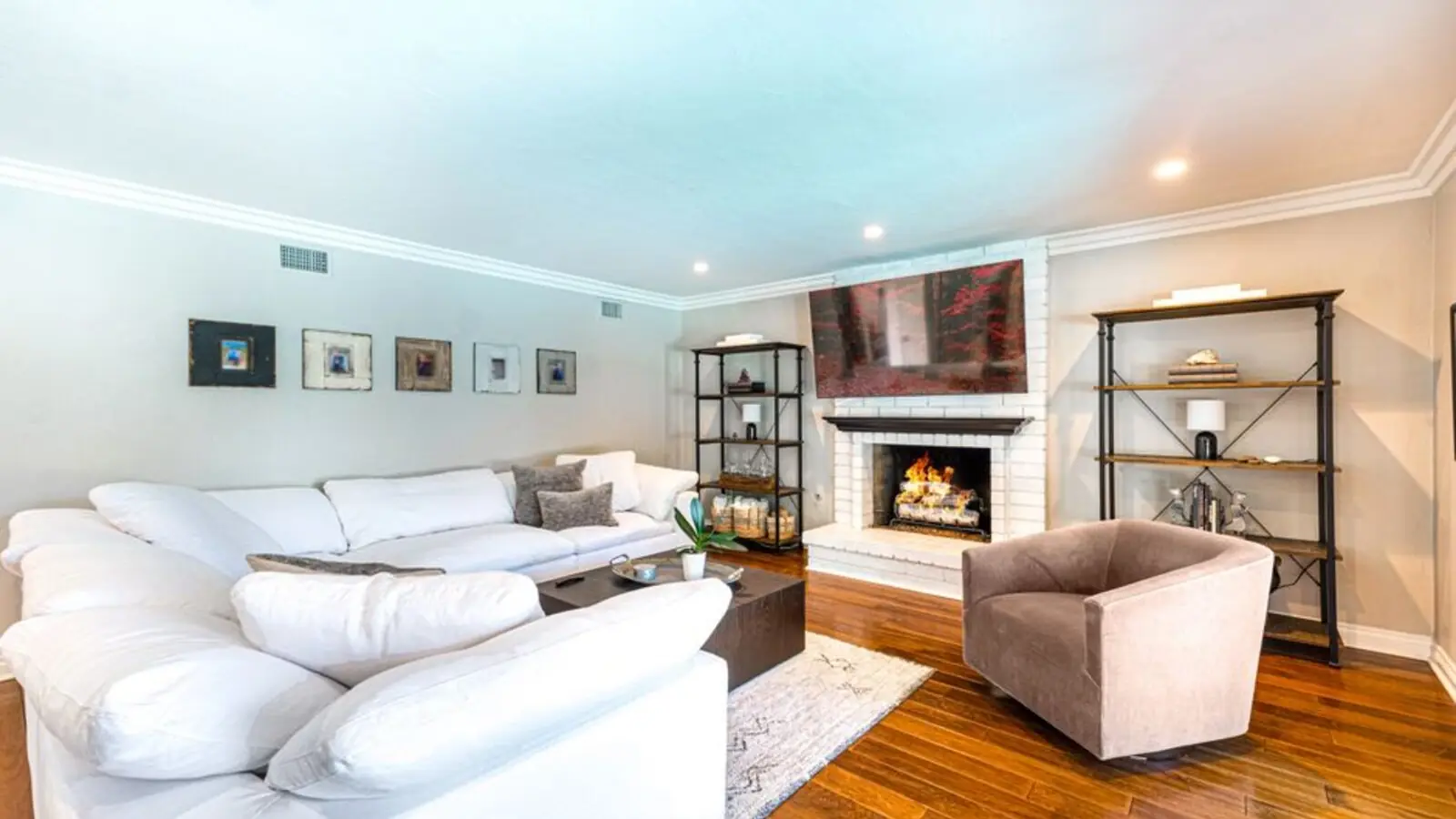
Southern Peripheral Road, Gurugram
3, 4 BHK (proposed) • On Request
Rs 5,000 Cr branded luxury project
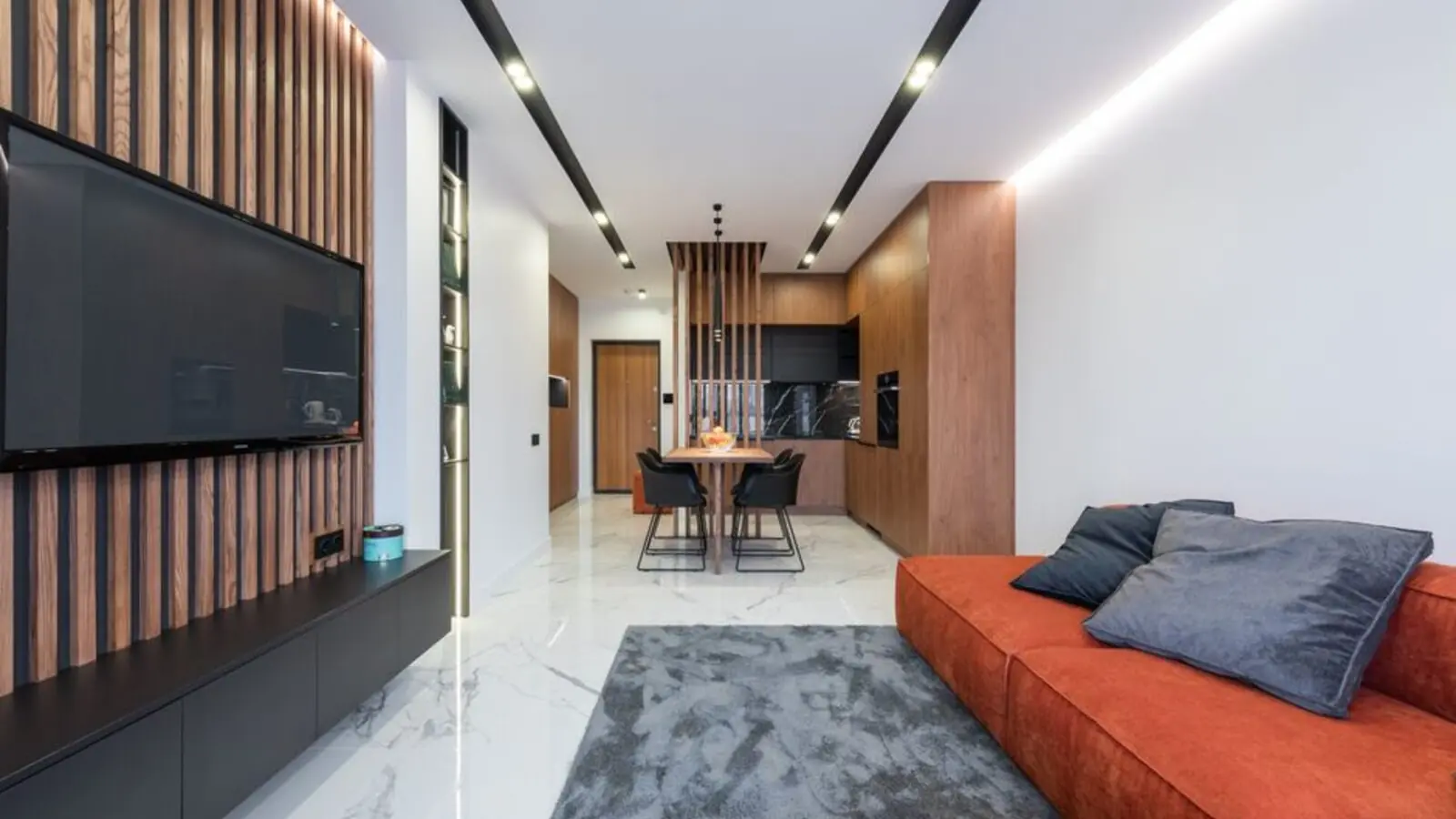
Dharuhera, Rewari
Residential Plots • Price on Request
DDJAY plots on NH-48
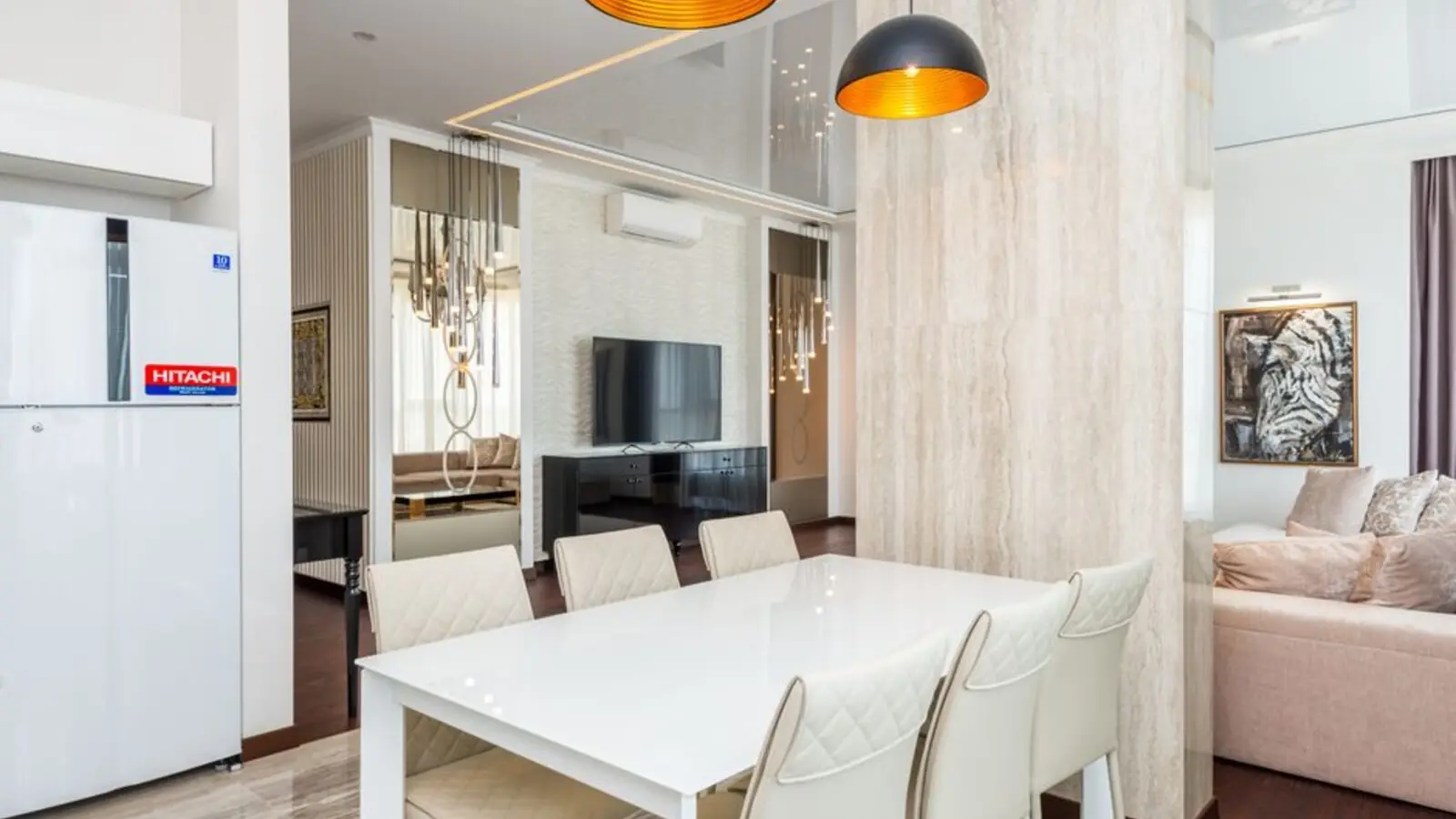
Greater Noida
2, 3, 4 BHK • Price on Request
Near Jewar Airport corridor

Noida Expressway, Noida
2, 3, 4 BHK • Price on Request
IGBC Gold, three-side-open homes inside a mega sports city
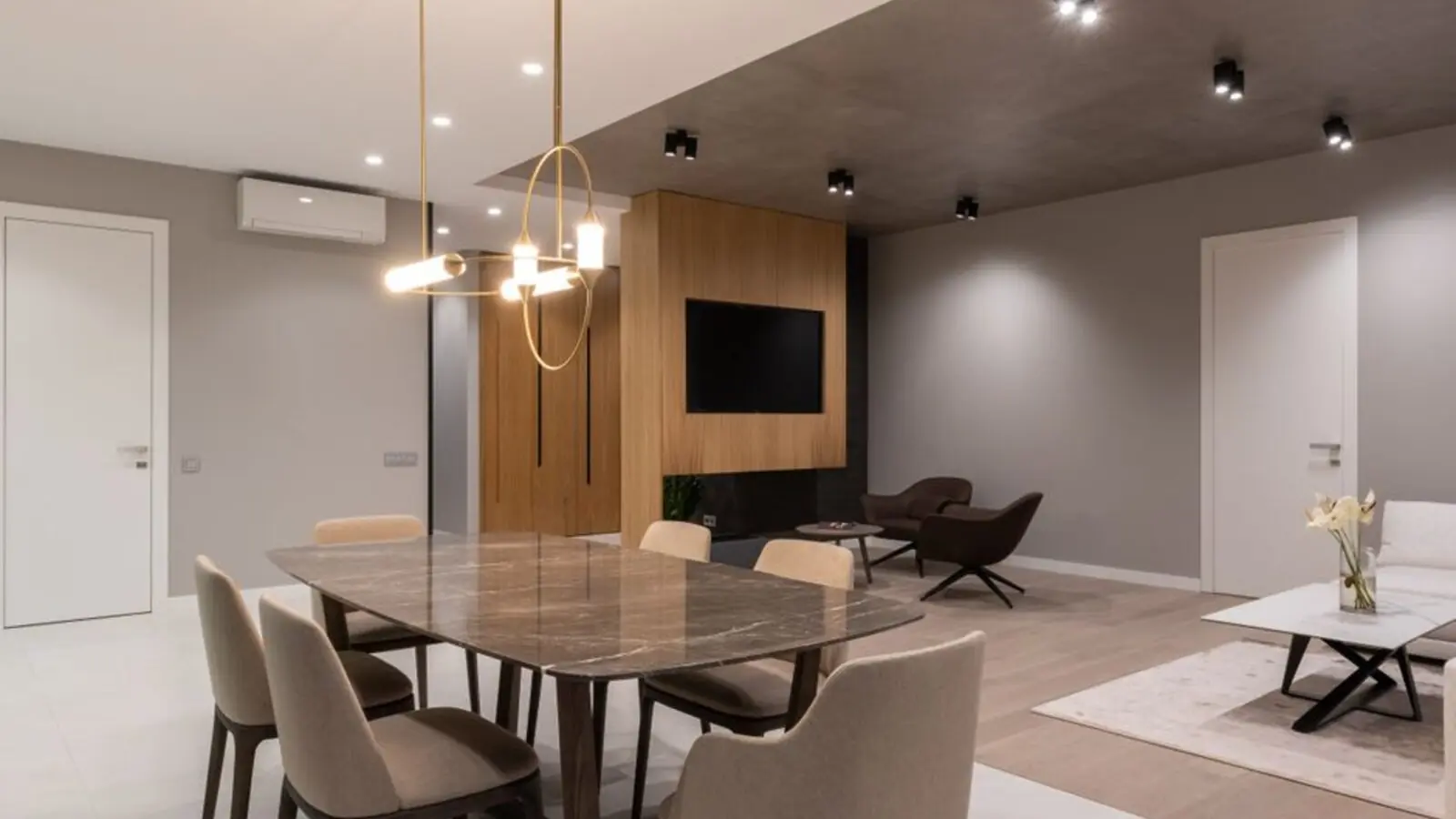
Noida Expressway, Noida
2, 3, 4 BHK • Price on Request
New-launch homes on Noida-Greater Noida Expressway
This publication is editorial and informational in nature and does not form an offer or agreement. All specifications, prices, and photographs are subject to change. Readers are encouraged to verify particulars independently. About · Projects
Share your details and our expert will call you back.