A 164-km rapid rail is turning Gurugram's industrial belt into Delhi's next residential frontier.
Enquire NowFor years, the stretch of NH-48 running from Gurugram through Manesar, Dharuhera, Rewari, Bawal and into the Shahjahanpur-Neemrana-Behror belt has been known mainly for its factories — auto-component units, warehousing parks, and manufacturing clusters that keep trucks and workers moving at all hours. That identity is about to get a second layer. A rapid rail line is coming, and it is expected to change not just how people commute, but where they choose to live. Formally titled the Delhi-Gurugram-SNB-Alwar Regional Rapid Transit System, the corridor is part of the wider Namo Bharat network being built by the National Capital Region Transport Corporation. The corridor will connect Delhi with Alwar through Gurugram, Manesar, Rewari, Bawal and the Shahjahanpur-Neemrana-Behror belt, and the 164-km corridor with 22 stations is expected to ease congestion on the NH-48. The route will begin from Sarai Kale Khan in Delhi and pass through Munirka, Aerocity and Gurugram before moving towards Manesar, Dharuhera, Rewari and Bawal, then extend into Rajasthan through the SNB belt before reaching Khairthal and Alwar. The numbers on timeline and scale are now firmer than they were a year ago. There will be a total of 22 stations, of which 16 (11 elevated and five underground) will be built in the first phase, with the rest coming in later phases. Phase 1 itself will connect Delhi to Dharuhera, covering a distance of 70.72 km across 13 stations. On travel time, with a maximum speed of 160 km/h and an average speed of 105 km/h, the distance between Delhi and Alwar is projected to be covered in 104 minutes. Closer to Delhi, the gains are even sharper — once constructed, the corridor is expected to bring down travel time between Delhi and the SNB belt to about 70 minutes. Construction has been inching forward, with the state noting pre-construction work on the Delhi-Gurugram-SNB Urban complex RRTS corridor having already started. Why does this matter for a homebuyer rather than just a commuter? Because the towns along this line are not empty land waiting for infrastructure — they are already working industrial economies. Manesar functions as a major auto-component manufacturing hub where faster transit widens the commuting radius for its large daily workforce, while Dharuhera, anchored by Hero MotoCorp and an established ancillary industrial base, is set to get a planned RRTS depot and station. Further down the line, Bawal anchors the corridor's currently confirmed construction phase with direct DMIC-linked industrial significance, while Neemrana is known as India's best-known "Japanese zone" for manufacturing investment. Put simply, this is a rail line being built to serve people who already have jobs there — which is a very different, and arguably more durable, demand driver than a purely speculative township play. The price gap between Gurugram and its RRTS-linked neighbours is where the housing story gets interesting. Data shows the average ticket for a mid-segment 2BHK in Gurugram is around Rs 1 crore, while the neighbouring Dharuhera currently records an average sale price of around ₹3,050 per sq ft and Neemrana stands close to ₹3,100 psf. That kind of gap is precisely why areas such as Dharuhera, Rewari and Bawal have already emerged as relatively affordable alternatives to Gurugram, particularly for workforce housing and plotted developments. For commuters, the calculus shifts too: Rewari stands to see the most dramatic proportional time saving on the corridor — from a 2.5–3 hour road journey to Delhi down to a projected under-an-hour commute. Real estate analysts tracking similar corridors elsewhere in NCR see a familiar pattern playing out. Whenever a government scheme or project is introduced, development of the area becomes inevitable — new projects not only provide facilities to people but also strengthen surrounding infrastructure. Looking at past projects, wherever metro lines, expressways or rapid rail have reached in Delhi-NCR cities, land prices have increased significantly along with rapid growth in other facilities. The Delhi-Meerut Namo Bharat line, now fully operational, is often cited as the template — a corridor that turned a two-hour road trip into a rail commute and pulled housing demand well beyond what pure road connectivity had achieved. For buyers weighing Gurugram against its emerging satellite towns, the smart approach is to separate the corridor's confirmed stretches from its later phases. The safest approach for anyone considering a purchase along this belt is to track official alignment updates before making any land or property decision. Gurugram itself remains the corridor's commercial anchor — it gains the corridor's densest interchange access, with Cyber City, IFFCO Chowk, Rajiv Chowk and Kherki Daula linking the city's commercial core directly into the wider Namo Bharat network, Delhi Metro, and the airport. That means projects positioned along Gurugram's Dwarka Expressway and NH-48-facing sectors stand to capture both the corridor's early-phase certainty and the city's existing job-market gravity — a combination that towns further down the line, however promising, cannot yet offer with the same immediacy. For homebuyers, the takeaway is less about chasing the farthest, cheapest plot near a future station and more about understanding phasing. The Delhi-Dharuhera stretch is the one with a clearer construction runway; everything beyond SNB towards Alwar will take longer to materialise. That makes well-connected Gurugram addresses — still within the corridor's densest interchange zone — a lower-risk way to be positioned for the upside without betting entirely on a timeline that spans years.
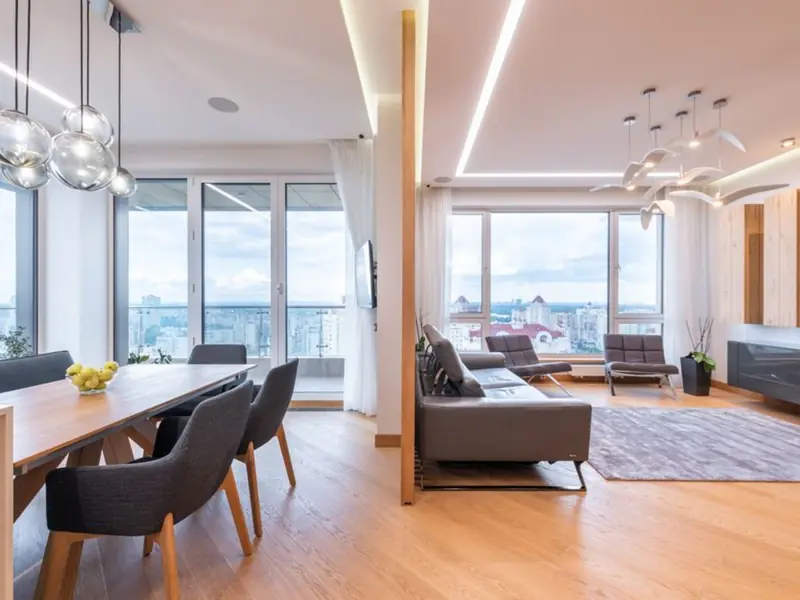
Project page: Signature Global Sector 88A, Gurugram
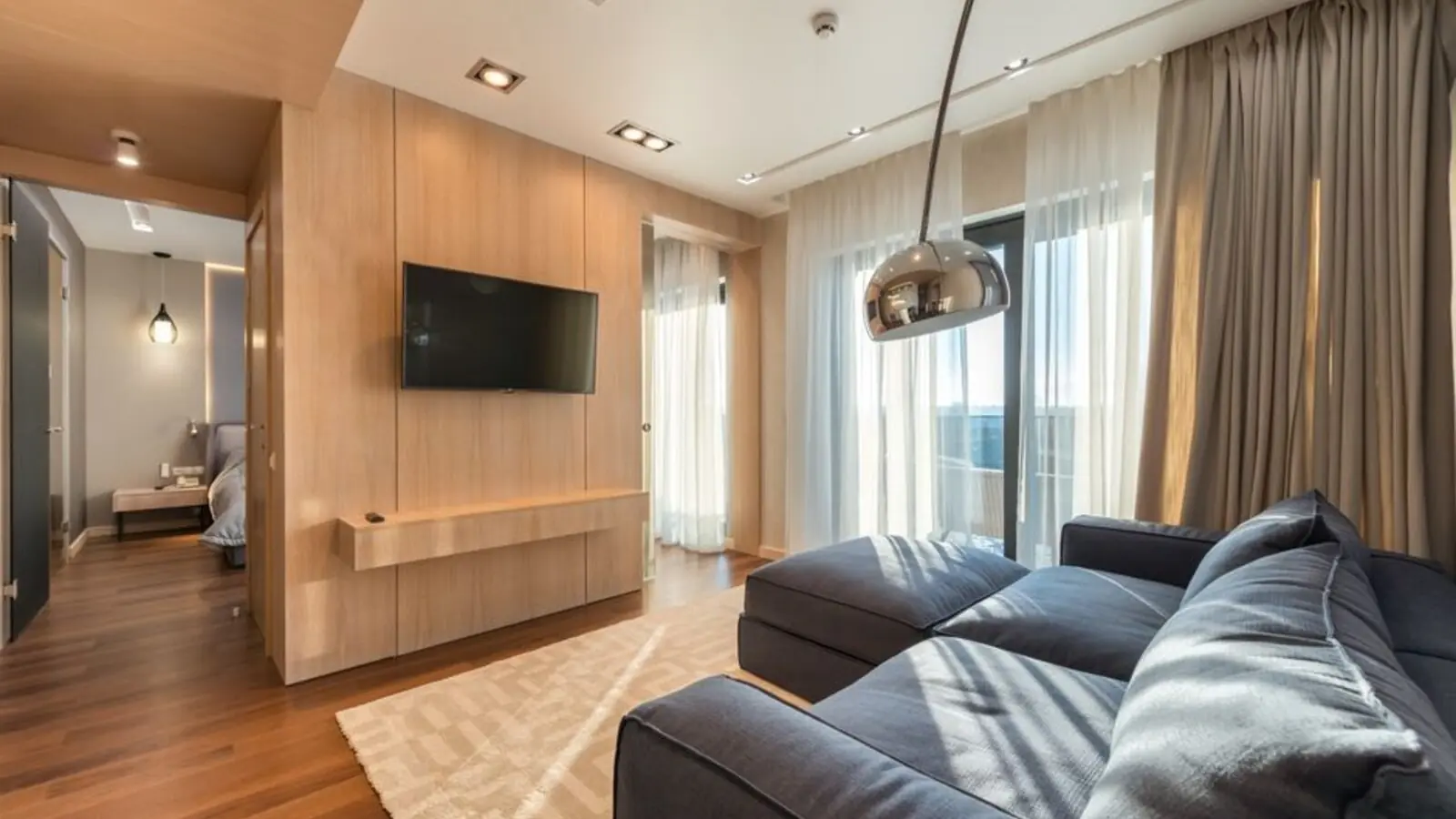
Alipur, Sohna, Gurugram
TBA • Price on Request
6.14-acre land parcel in Sohna's growth corridor
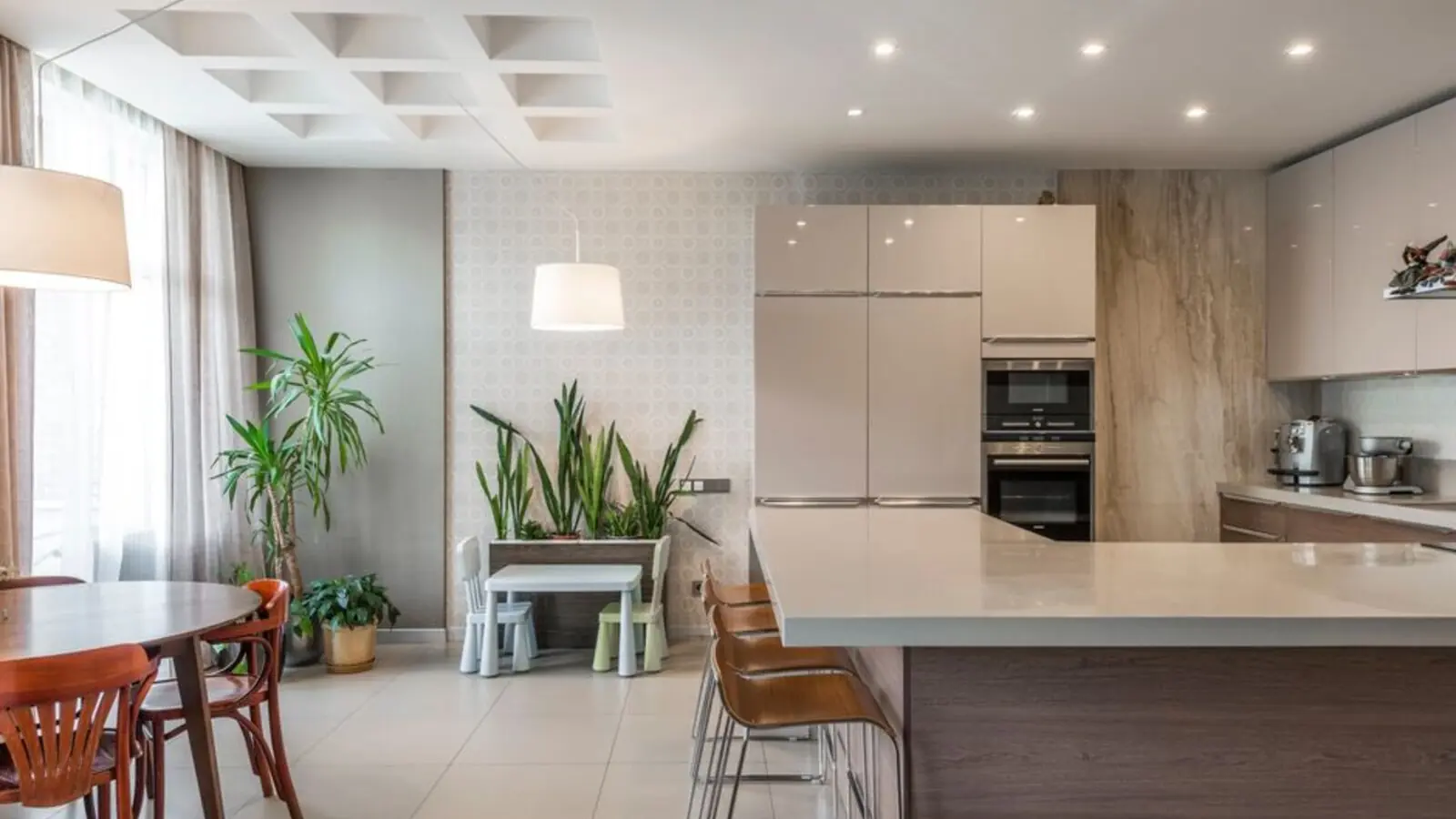
Sector 37D, Gurugram
3 BHK • Approx. Rs 3.7 Cr
164 senior-living apartments
Farukhnagar, Gurugram
Farmhouse villas • Price on request
194.22-acre farmhouse-villa destination
Farrukhnagar, Gurgaon
Farmhouse villas • Price on request
194.22-acre low-density destination
Sector 71, Gurugram
Office, Retail, Hotel • Price on Request
18-acre RMZ-Signature Global commercial landmark on SPR
Sohna Road, Gurugram
A forthcoming address in Sohna

Sohna Road, Gurugram
Residential development • Price on request
25.617-acre land parcels
Khuskhera, Bhiwadi
1, 2, 3 BHK • Price on request
Affordable homes in RIICO industrial belt
This publication is editorial and informational in nature and does not form an offer or agreement. All specifications, prices, and photographs are subject to change. Readers are encouraged to verify particulars independently. About · Projects
Share your details and our expert will call you back.